
Biden Is Overseeing the Silent Death of the First Amendment
By continuing the persecution of Julian Assange, the US government is signaling how little it cares about press freedom.
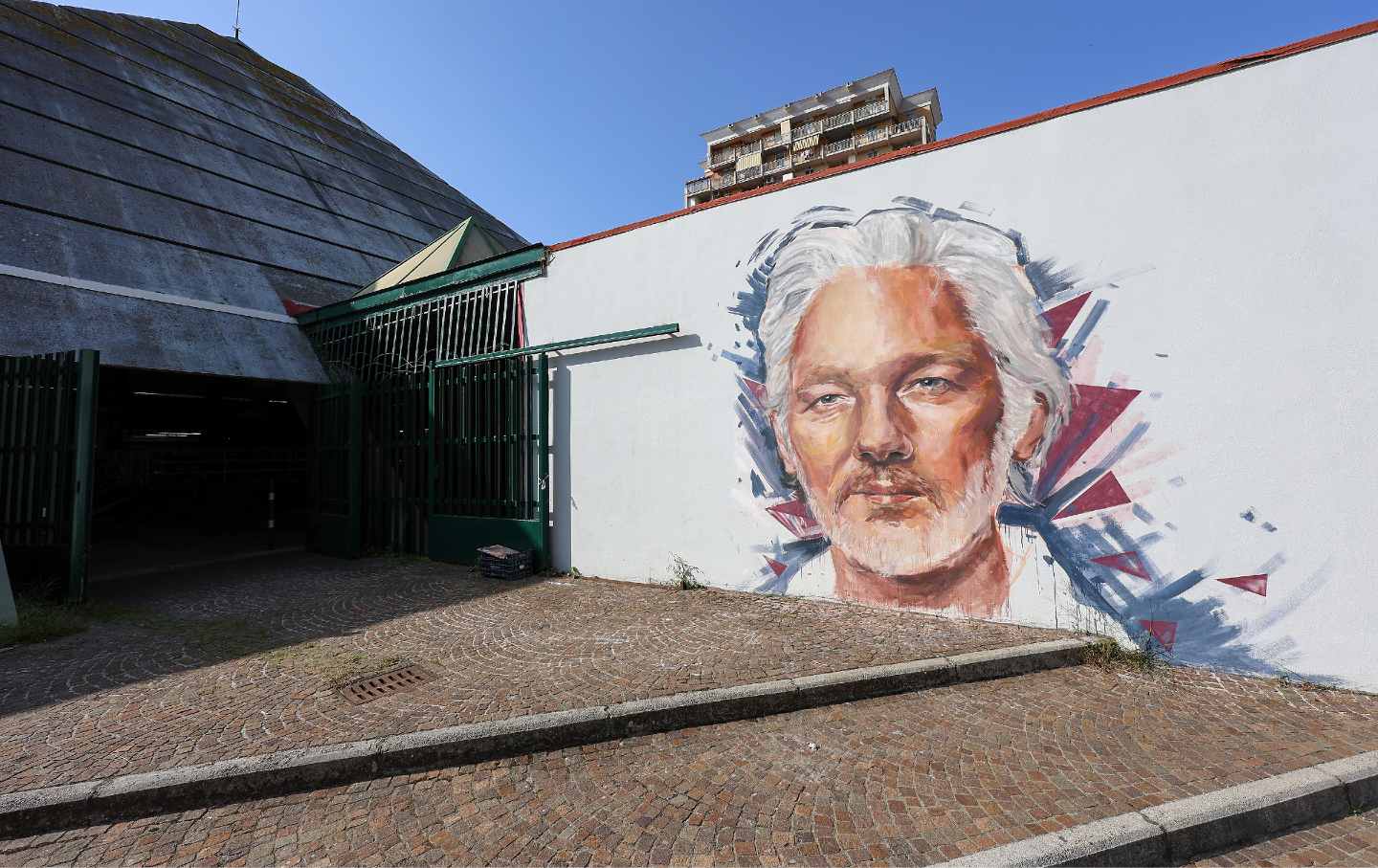
A mural depicting Julian Assange, by street artist Trisha Palma, in the Scampia neighborhood of Naples.
(Marco Cantile / LightRocket via Getty Images)In early 2024, a new, grim chapter may be written in the annals of journalistic history. Julian Assange, the publisher of Wikileaks, could board a plane for extradition to the United States, where he faces up to 175 years in prison on espionage charges for the crime of publishing newsworthy information.
The persecution of Assange is clear evidence that the Biden administration is overseeing the silent death of the First Amendment—with global consequences.
Bob Woodward and Carl Bernstein’s exposé during the Watergate scandal is seen as a triumph of truth over power. Their investigative reporting led to the downfall of President Nixon, cementing their status as champions of press freedom. However, what if this tale had taken a dark turn, with the journalists prosecuted for espionage and silenced under the guise of national security? While this is mere fiction, Assange’s plight is all too real.
Assange, the standard-bearer of our era’s investigative journalism, awaits extradition in a British cell in Belmarsh Prison, a fate that could stifle the beacon of transparency he represents. At a time when the world grapples with the erosion of press freedom, with journalists imprisoned and killed, Assange’s case raises profound questions about the consequences of challenging power and unveiling uncomfortable realities.
The legacy of WikiLeaks goes beyond exposing government misconduct; it pierces the veil of secrecy shrouding global affairs. The release of Collateral Murder, the haunting camera footage from a 2007 Apache helicopter attack in Baghdad showing the murder of several civilians, including two Reuters journalists, shocked the world. As we’ve seen in the past two months, the killing of civilians and journalists in war continues. In the last two months, Israel’s bombardment of Gaza has killed dozens of journalists, according to the Committee to Protect Journalists. On Thursday, human rights groups determined that Israel had deliberately fired on a Reuters journalist in southern Lebanon—a blatant war crime.
The aim of targeting journalists is to keep information where governments want it—under lock and key. That is why Wikileaks is such a threat—because, since its founding, it has fearlessly worked to wrest that information out of the hands of the powerful and put it in the hands of the people.
Wikileaks exposed not only civilian casualties, torture, and other human rights abuses through projects such as the Iraq War Logs, but also published documents that offer invaluable insight into conflicts still raging today. For example, cables released by Wikileaks in the 2010 Cablegate leaks show Israel’s policy towards Gaza in the years following Hamas’s election victory in 2006 and the group’s 2007 takeover of the strip. According to the cable, Israel determined that Hamas’s rise in Gaza would benefit them as it would allow the Israeli military to “deal with Gaza as a hostile state” and so turned down a Palestinian Authority request for assistance in defeating Hamas. Israeli policy to blockaded Gaza was to “keep the Gazan economy functioning at the lowest possible level consistent with avoiding humanitarian crisis.”
This information is essential, and we need more of it. That’s why the three of us, as members of the Belmarsh Tribunal—a group of experts that gathers together at regular intervals to present evidence about Assange’s persecution—are raising our voices together to free the truth and free Assange.
The extradition case against Assange is now entering its final phase, with his final UK court hearing expected in early 2024. He could then be brought to the US to face charges under the Espionage Act. The potential ramifications for power-challenging, truth-seeking journalism cannot be overstated.
The application of the Espionage Act in the US sets a chilling precedent that reverberates far beyond Assange’s individual fate. The silencing of a truth-seeker sends a dangerous message, signaling a decline in the resilience of a free press against the forces of authoritarianism.
The latest meeting of the tribunal is taking place in Washington, D.C., on Saturday. (The Nation is a cosponsor of the event.) One of us, Lina Attalah, the chief editor of the Egyptian publication Mada Masr, is unable to attend in person. Her publication’s reporting of the ongoing assault on Gaza has raised the ire of the US-allied Egyptian state. If the US can imprison those who reveal torture and persecute journalists who reveal truths, what’s to stop the US government’s authoritarian allies?
In defending Assange, we defend the right to know, to question, and to challenge power. The echoes of history remind us that the struggle for press freedom is ongoing, and the fate of Julian Assange is a litmus test for the resilience of truth in the face of oppression. The world needs more journalism that fearlessly confronts power, not less.
The pressure is mounting on the Biden administration to free Julian Assange. It’s not only one man’s life that is at stake, but the First Amendment and freedom of the press itself. As long as the Espionage Act is deployed to imprison those who exposed war crimes, no publisher and no journalist will be safe.
Disobey authoritarians, support The Nation
Over the past year you’ve read Nation writers like Elie Mystal, Kaveh Akbar, John Nichols, Joan Walsh, Bryce Covert, Dave Zirin, Jeet Heer, Michael T. Klare, Katha Pollitt, Amy Littlefield, Gregg Gonsalves, and Sasha Abramsky take on the Trump family’s corruption, set the record straight about Robert F. Kennedy Jr.’s catastrophic Make America Healthy Again movement, survey the fallout and human cost of the DOGE wrecking ball, anticipate the Supreme Court’s dangerous antidemocratic rulings, and amplify successful tactics of resistance on the streets and in Congress.
We publish these stories because when members of our communities are being abducted, household debt is climbing, and AI data centers are causing water and electricity shortages, we have a duty as journalists to do all we can to inform the public.
In 2026, our aim is to do more than ever before—but we need your support to make that happen.
Through December 31, a generous donor will match all donations up to $75,000. That means that your contribution will be doubled, dollar for dollar. If we hit the full match, we’ll be starting 2026 with $150,000 to invest in the stories that impact real people’s lives—the kinds of stories that billionaire-owned, corporate-backed outlets aren’t covering.
With your support, our team will publish major stories that the president and his allies won’t want you to read. We’ll cover the emerging military-tech industrial complex and matters of war, peace, and surveillance, as well as the affordability crisis, hunger, housing, healthcare, the environment, attacks on reproductive rights, and much more. At the same time, we’ll imagine alternatives to Trumpian rule and uplift efforts to create a better world, here and now.
While your gift has twice the impact, I’m asking you to support The Nation with a donation today. You’ll empower the journalists, editors, and fact-checkers best equipped to hold this authoritarian administration to account.
I hope you won’t miss this moment—donate to The Nation today.
Onward,
Katrina vanden Heuvel
Editor and publisher, The Nation
More from The Nation
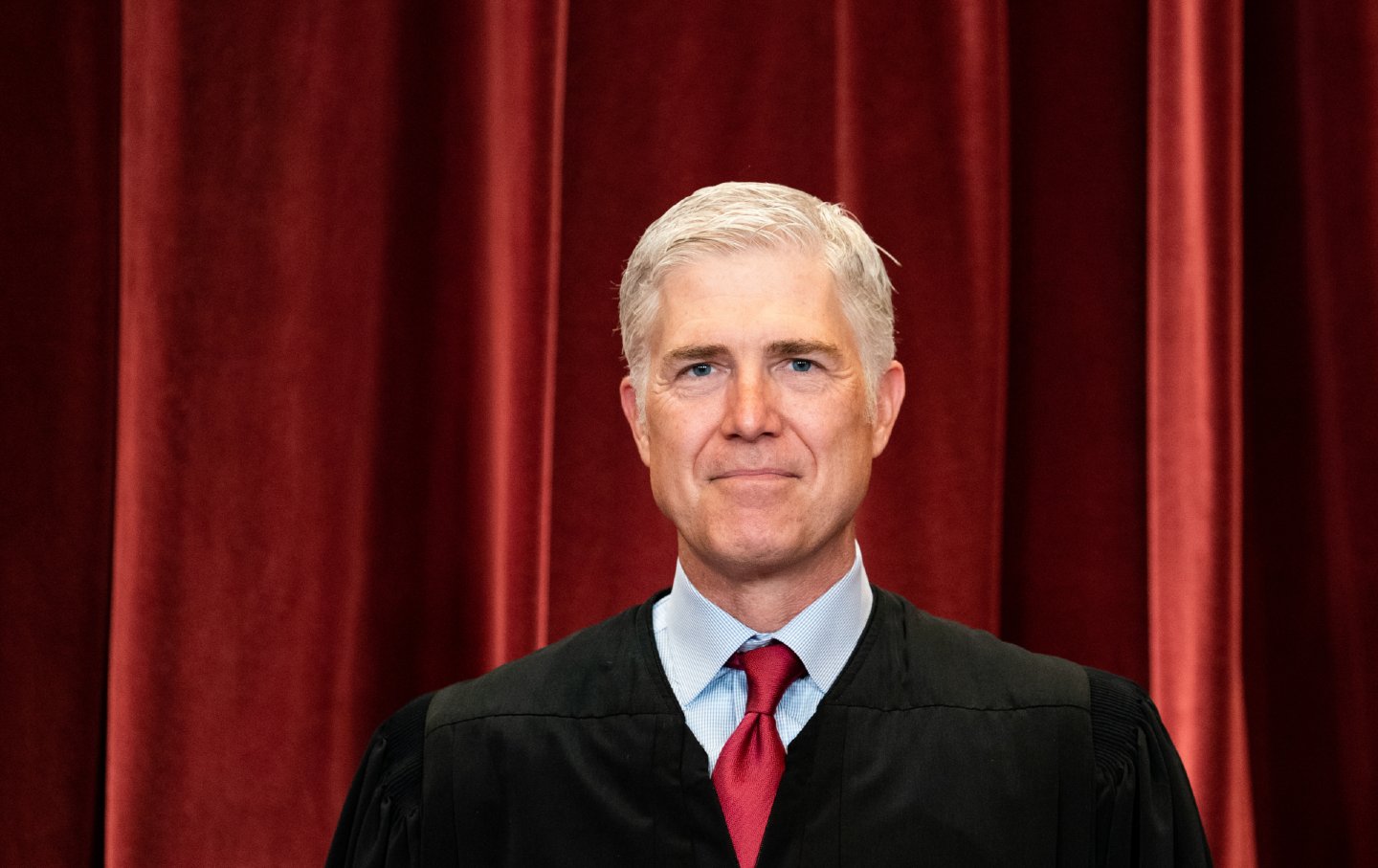
The Supreme Court Has a Serial Killer Problem The Supreme Court Has a Serial Killer Problem
In this week's Elie v. U.S., The Nation’s justice correspondent recaps a major death penalty case that came before the high court as well as the shenanigans of a man who’s angling...
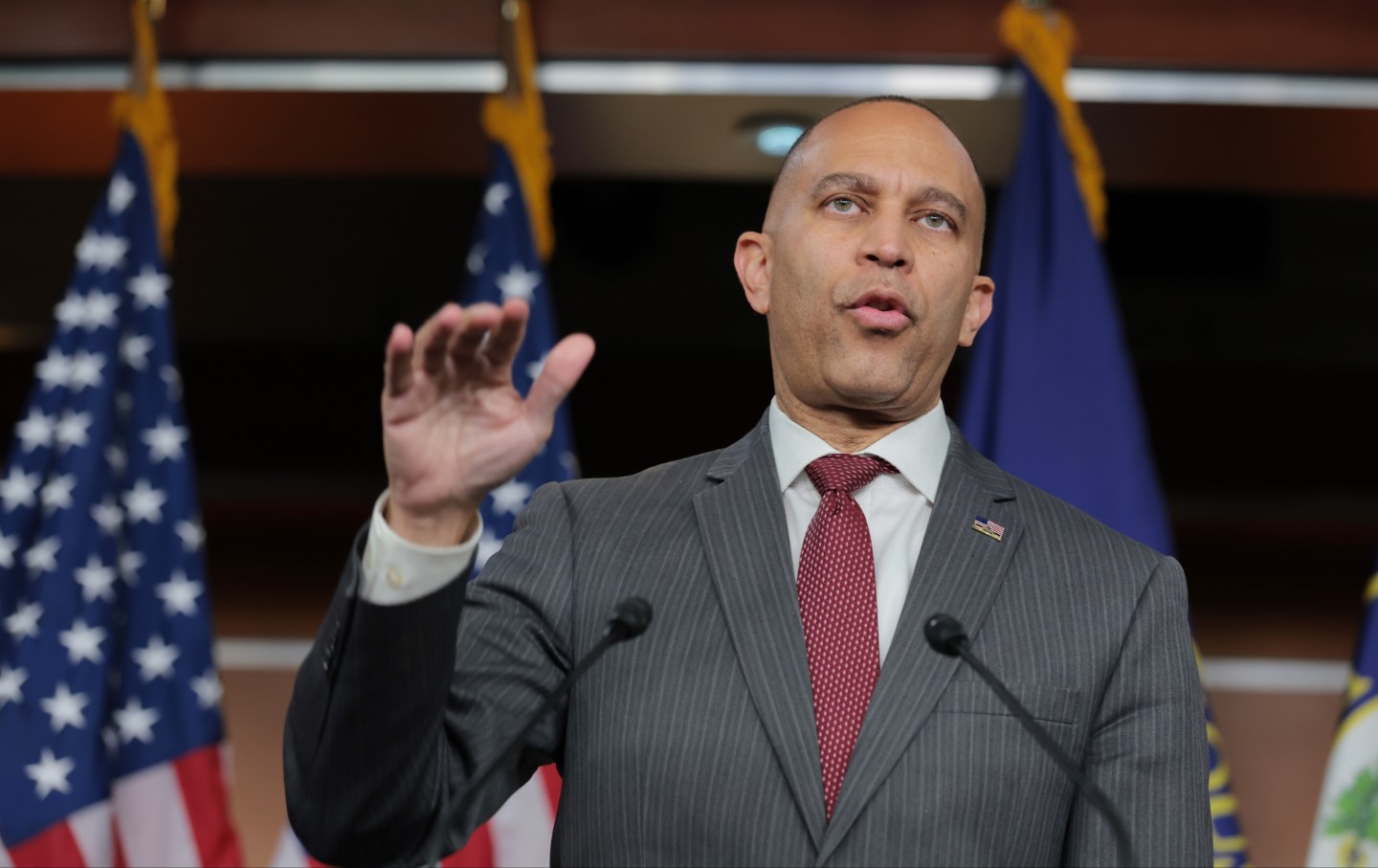
Corporate Democrats Are Foolishly Surrendering the AI Fight Corporate Democrats Are Foolishly Surrendering the AI Fight
Voters want the party to get tough on the industry. But Democratic leaders are following the money instead.
Marching Against a Corrupt Regime Marching Against a Corrupt Regime
People taking to the streets for democracy.
It Would Be Madness to Give Trump and His Toadies Even More Power It Would Be Madness to Give Trump and His Toadies Even More Power
And yet, that’s what the Supreme Court appears prepared to do.
Trump Is Dragging Republicans to Crushing Defeat After Crushing Defeat Trump Is Dragging Republicans to Crushing Defeat After Crushing Defeat
The president is deeply unpopular, his policies are failing, and Republicans are losing—everywhere.

