Make It New
I forget how to render myself
in attachment to the world.
Taking a selfie in the hospital mirror
in case I, you know, die.
A final photograph of me
being painfully morose.
I admit I got really corny this time
about my body being a vessel.
You got me, God. I thought
you were serious.
Like, I was really about to
kit out that boat,
put a uterus in my uterus
just to have an extra one for show.
Landlocked now
in the high grass of death
walled in by the panic of cicadas
I let rain trample me flat
as a cluster of ditch lilies
while I breathe in
the recommended exhaust.
Anesthesia sloughs off my skin
so a forge of white heat
can shine up my skeleton,
making me new.
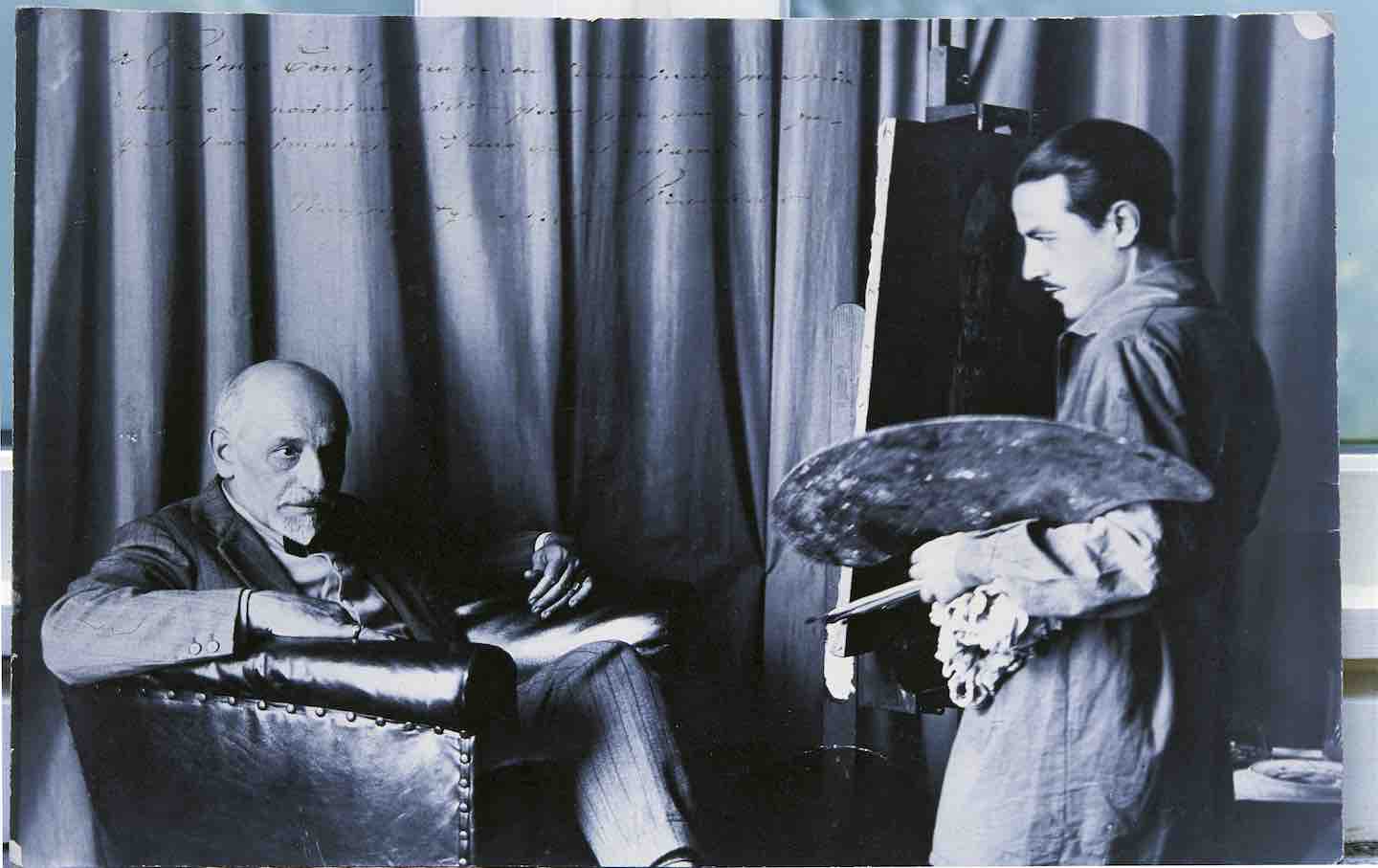
As that fucker Ezra Pound insisted.
Show me violence
and suddenly I’m all aesthetic.
Here’s that pain you ordered,
artisanal, perfect.
Leaving blood on the page
as directed. Not red, but
crimson, scarlet. You like it?
Great, you can keep it
sharp. Observe me closely.
Looking gorgeously dead inside.
Letting moonlight hit me
like a night-blooming rose.
Disobey authoritarians, support The Nation
Over the past year you’ve read Nation writers like Elie Mystal, Kaveh Akbar, John Nichols, Joan Walsh, Bryce Covert, Dave Zirin, Jeet Heer, Michael T. Klare, Katha Pollitt, Amy Littlefield, Gregg Gonsalves, and Sasha Abramsky take on the Trump family’s corruption, set the record straight about Robert F. Kennedy Jr.’s catastrophic Make America Healthy Again movement, survey the fallout and human cost of the DOGE wrecking ball, anticipate the Supreme Court’s dangerous antidemocratic rulings, and amplify successful tactics of resistance on the streets and in Congress.
We publish these stories because when members of our communities are being abducted, household debt is climbing, and AI data centers are causing water and electricity shortages, we have a duty as journalists to do all we can to inform the public.
In 2026, our aim is to do more than ever before—but we need your support to make that happen.
Through December 31, a generous donor will match all donations up to $75,000. That means that your contribution will be doubled, dollar for dollar. If we hit the full match, we’ll be starting 2026 with $150,000 to invest in the stories that impact real people’s lives—the kinds of stories that billionaire-owned, corporate-backed outlets aren’t covering.
With your support, our team will publish major stories that the president and his allies won’t want you to read. We’ll cover the emerging military-tech industrial complex and matters of war, peace, and surveillance, as well as the affordability crisis, hunger, housing, healthcare, the environment, attacks on reproductive rights, and much more. At the same time, we’ll imagine alternatives to Trumpian rule and uplift efforts to create a better world, here and now.
While your gift has twice the impact, I’m asking you to support The Nation with a donation today. You’ll empower the journalists, editors, and fact-checkers best equipped to hold this authoritarian administration to account.
I hope you won’t miss this moment—donate to The Nation today.
Onward,
Katrina vanden Heuvel
Editor and publisher, The Nation