
Donald Trump Has Not Won a Majority of the Votes Cast for President
Donald Trump Has NOT Won a Majority of the Votes Cast for President
Donald Trump’s popular vote total has fallen below 50 percent, and his margin over Kamala Harris has narrowed considerably as all the votes are counted.
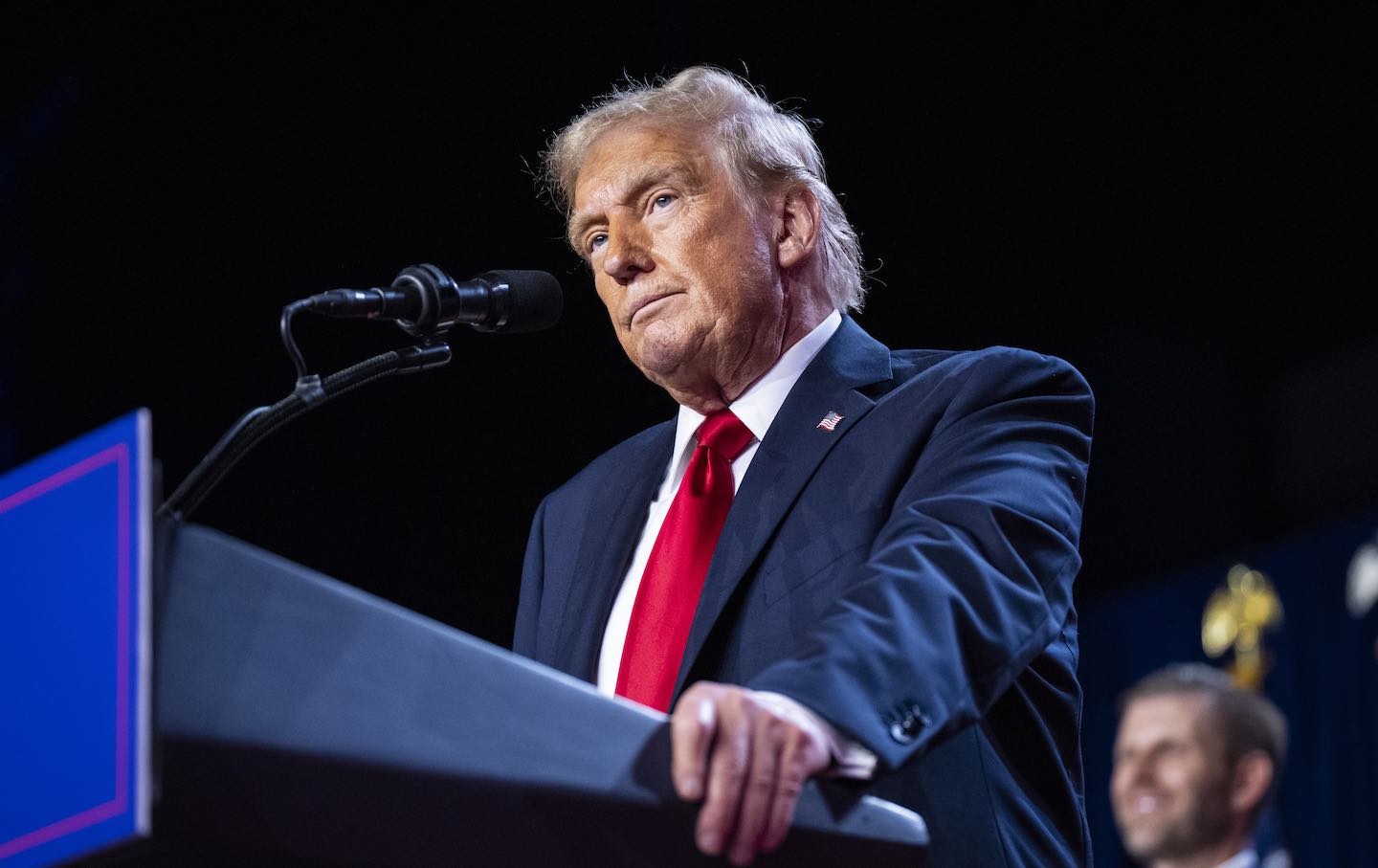
Former president Donald Trump speaks after being declared the winner of the 2024 presidential election at the Palm Beach County Convention Center in West Palm Beach, Florida, on November 6, 2024.
(Jabin Botsford / The Washington Post via Getty Images)
“America has given us an unprecedented and powerful mandate,” Donald Trump declared in the early morning hours of November 6, 2024, after all the polls had closed. Indeed, he claimed that he had won “a political victory that our country has never seen before, nothing like this.” Trump was excited by the numbers showing him with well over 50 percent of the popular vote and establishing a wide lead over his Democratic rival, Vice President Kamala Harris.
Unfortunately, for the president-elect, the United States takes time to count 155 million votes—give or take a million—and the actual result will rob Trump of his bragging points.
Trump can no longer claim that powerful mandate. By most reasonable measures, the beginning point for such a claim in a system with two major parties is an overwhelming majority vote in favor of your candidacy. Trump no longer has that.
Over the weekend, as California, Oregon, Washington, and other Western states moved closer to completing their counts, Trump’s percentage of the popular vote fell below 50 percent. And his margin of victory looks to be much smaller than initially anticipated. In fact, of all the 59 presidential elections since the nation’s founding, it appears that—after all of the 2024 votes are counted—only five popular vote winners in history will have prevailed by smaller percentage margins than Trump.
Trump’s popular-vote advantage has declined steadily since election night. As of Monday afternoon, Trump was at 49.94 percent, while Harris was at 48.26, according to the authoritative Cook Political Report’s tracking of results from official sources in states across the country. And we can expect that the Republican’s total will only continue to tick downward as heavily Democratic states on the West Coast finalize their vote tallies.
Trump’s still ahead of Harris in the popular vote. He also maintains a lead in the decisive, though absurdly antidemocratic, Electoral College— slightly less than Barack Obama’s in 2012, slightly more Joe Biden’s in 2020—based on a pattern of wins in battleground states. So, the failure to win a majority won’t cost Trump the presidency. But he’s lost his ability to suggest that he trounced the Democrat. In fact, she’s now trailing him by just 1.68 percent of the vote.
Let’s put this in perspective: Trump is winning a lower percent of the popular vote this year than Biden did in 2020 (51.3), Obama in 2012 (51.1), Obama in 2008 (52.9), George W. Bush in 2004 (50.7), George H.W. Bush in 1988 (53.2), Ronald Reagan in 1984 (58.8), Reagan in 1980 (50.7), or Jimmy Carter in 1976 (50.1). And, of course, Trump numbers are way below those of the presidents who won what could reasonably be described as “unprecedented and powerful” mandates, such as Richard Nixon’s 60.7 percent in 1972, Lyndon Johnson’s 61.1 percent in 1964, or Franklin Delano Roosevelt’s 60.8 percent. As Trump’s percentage continues to slide, he’ll fall below the thresholds achieved by most presidents in the past century.
Harris, on the other hand, is looking like a much stronger finisher than she did on election night. In fact, the Democrat now has a higher percentage of the popular vote than Presidents Trump in 2016 (46.1), Bush in 2000 (47.9), Clinton in 1992 (43), or Nixon in 1968 (43.4). She has also performed significantly better than recent major-party nominees such as Trump in 2020 (46.8), Hillary Clinton in 2016 (48.2), Mitt Romney in 2012 (47.2), John McCain in 2008 (45.7), George W. Bush in 2000 (47.9), Bob Dole in 1996 (40.7), George H.W. Bush in 1992 (37.4), Michael Dukakis in 1988 (45.6), Walter Mondale (40.6), Carter in 1980 (41), or Gerald Ford in 1976 (48).
Yes, some of those historic results were influenced by the presence of strong third-party contenders. But most were not. And the bottom line is that the gap between Trump and Harris is narrower than the difference between major-party contenders in the vast majority of American presidential races.
Why make note of all the presidents who ran better than Trump? Why discuss the narrowness of his advantage over Harris? Why consider, in addition, that the Republican majorities in the House and Senate will be among the narrowest in modern American history? Because it puts the 2024 election results in perspective—and, in doing so, gives members of both parties an understanding of how to respond when Trump claims that an unappealing nominee or policy should be accepted out of deference to his “powerful” mandate.
Trump’s victory was not of “epic” or “historic” proportions. There was no “landslide” for the once and future president, as Fox News suggested repeatedly in postelection headlines. The election did not produce the “decisive victory” for Trump that the Associated Press referred to in the immediate aftermath of the voting. Nor did it yield the “resounding defeat” for Harris that AP reported at the same time.
That won’t matter to Trump, who claimed a mandate even when he lost the 2016 popular vote by almost 3 million ballots. Four years later, Trump refused to accept his defeat by more than 7 million votes, and denied that majority support for Biden in the 2020 election amounted to anything akin to a mandate.
These numbers are better for the Democrats than what was recorded on election night, and that many pundits continue to suggest. That does not mean, however, that a clearer picture of the results should dissuade the Democrats from looking for ways to reform their party. Even if the margins are narrower than initially imagined, it is still the case that the party failed to beat Trump and a Republican Party that embraces the destructive politics not just of its presidential candidate but of the billionaire class. This is a time for serious reflection on mistakes that were made, and on challenges going forward, as part of a needed examination of how to build a multiracial, multiethnic working-class coalition that can win decisively, and not just at the presidential level but also in the struggle to regain control of the House and Senate in 2026.
What the numbers do provide Democrats and progressives, however, is an argument against despair and surrender, especially as the debate opens over Trump’s cabinet picks, judicial nominees, and legislative priorities.
“Research suggests that mandate claims, despite their tenuous connection to reality, can be effective in affecting legislative behavior,” notes Julia Azari, the associate professor of political science at Marquette University who authored Delivering the People’s Message: The Changing Politics of the Presidential Mandate. “Political science studies show that legislators will change their behavior in response to the perception of a mandate election—but only for so long.”
Popular
“swipe left below to view more authors”Swipe →The first months of Trump’s presidency will go a long way toward defining the character of his second term. Democrats and a handful of thoughtful Republicans have the potential to temper Trump’s worst excesses, and to assure that the constitutionally mandated system of checks and balances is maintained. When Trump pushes back against congressional oversight by claiming that his appointments and policies reflect the will of the electorate, members of the House and Senate can counter that specious claim by explaining that the majority of the American people did not vote for him.
More from The Nation

What Are Democrats Prepared to Do if Trump Rigs the Election? What Are Democrats Prepared to Do if Trump Rigs the Election?
In this week’s Elie v. U.S, our justice correspondent challenges Democrats' lack of a plan if Trump steals the midterms. Plus: the most racist, and honest, AI add ever.
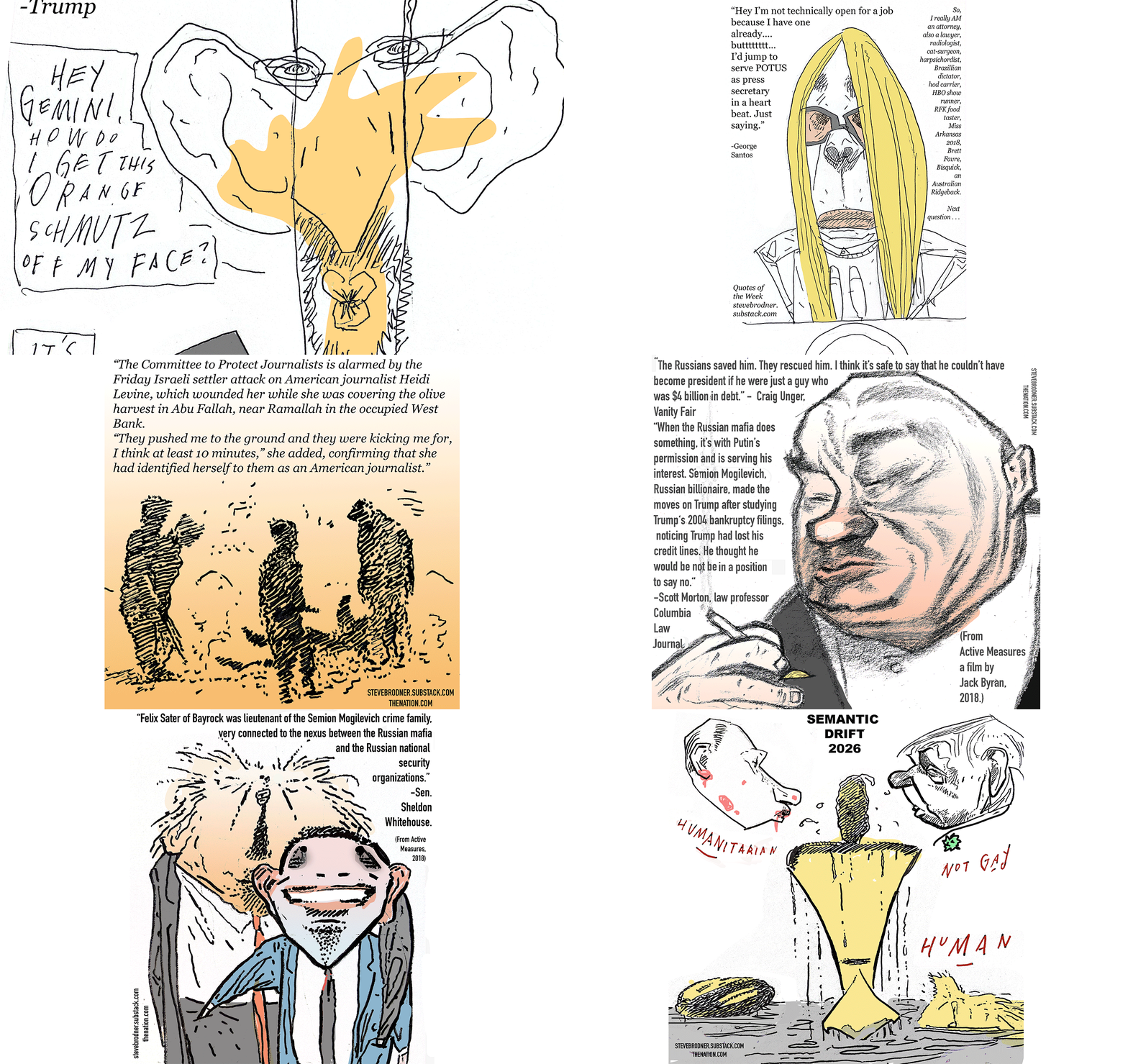
Ramaswamy’s Guide to a Better Vocabulary Ramaswamy’s Guide to a Better Vocabulary
Quotes of the Week.
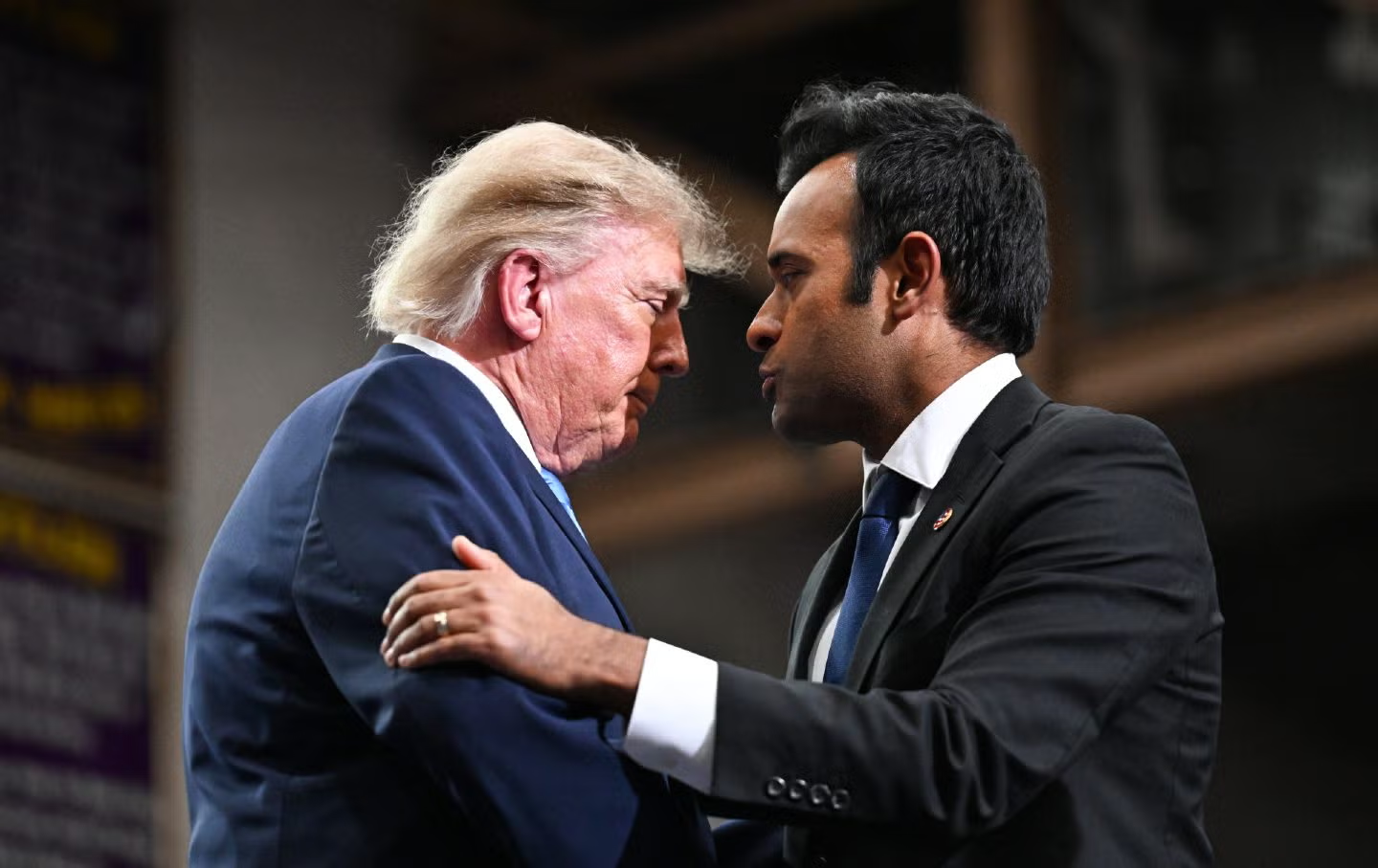
Why Trump Is Embracing Vivek Ramaswamy’s Vile Ad Why Trump Is Embracing Vivek Ramaswamy’s Vile Ad
The president is leaning into the politics of toxic parenting.

The Shadow Knows The Shadow Knows
High-tech weapons, low-tech intelligence.
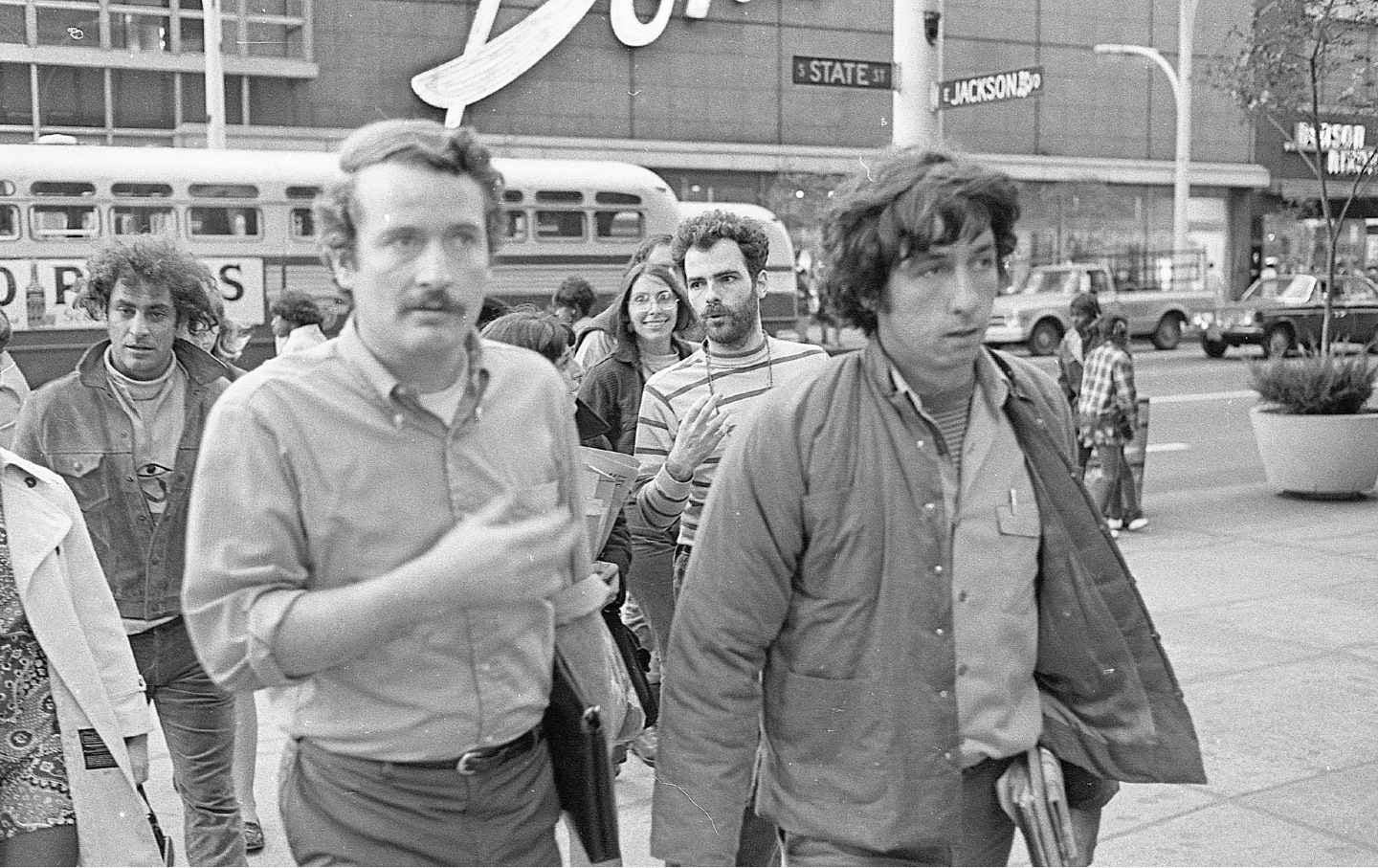
Tom Hayden’s Legacy and the New American Left Tom Hayden’s Legacy and the New American Left
It’s been 10 years since he passed away.
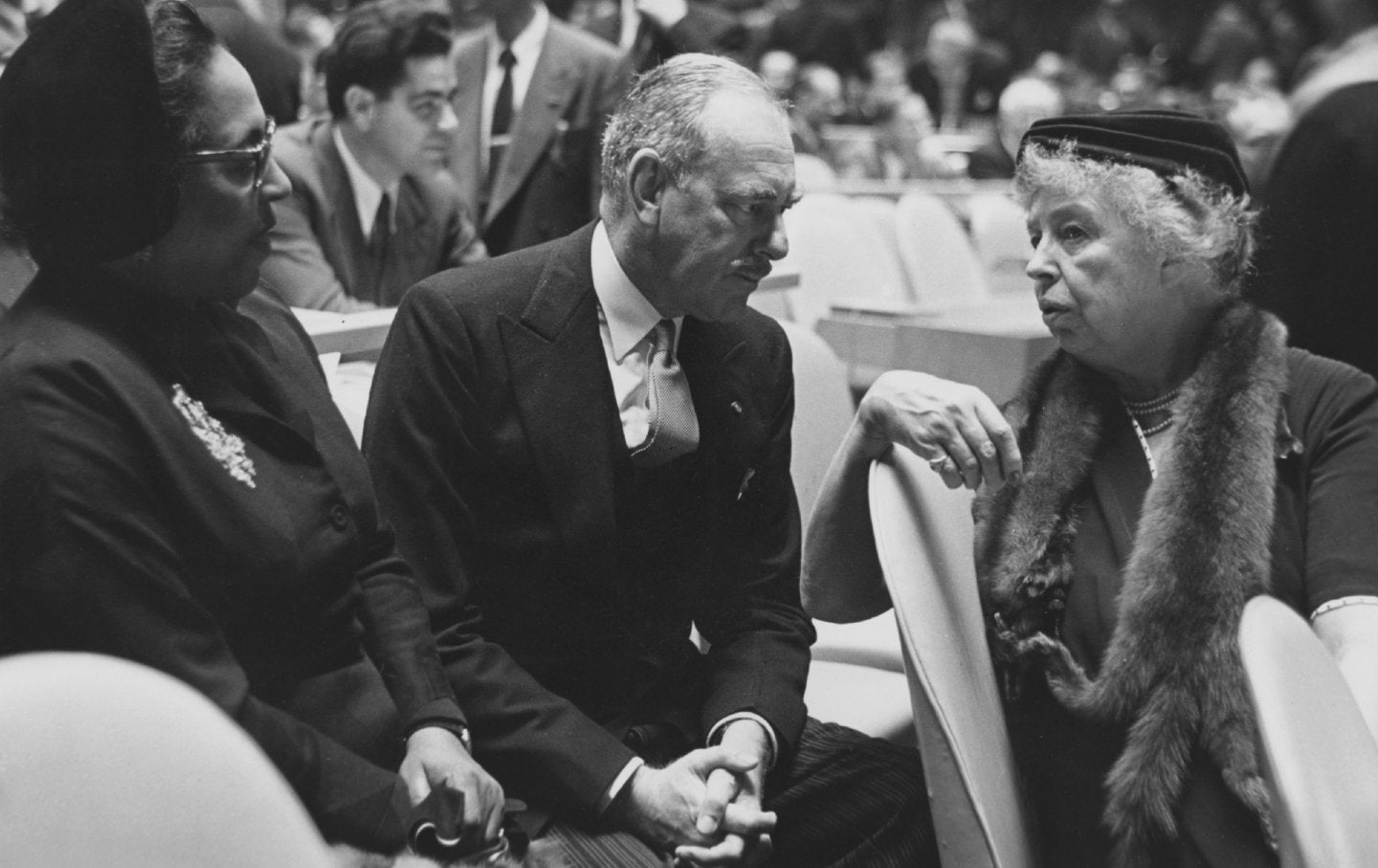
The Decades-Long Battle Within the Democratic Party Establishment Between the Heirs of Dean Acheson and Franklin Roosevelt The Decades-Long Battle Within the Democratic Party Establishment Between the Heirs of Dean Acheson and Franklin Roosevelt
The calamitous history of America’s wars of choice.

