Liberals Can’t Stop Gushing Over Trump’s Foreign Policy Team
Democrats are falling over themselves to hail Marco Rubio’s nomination as secretary of state.
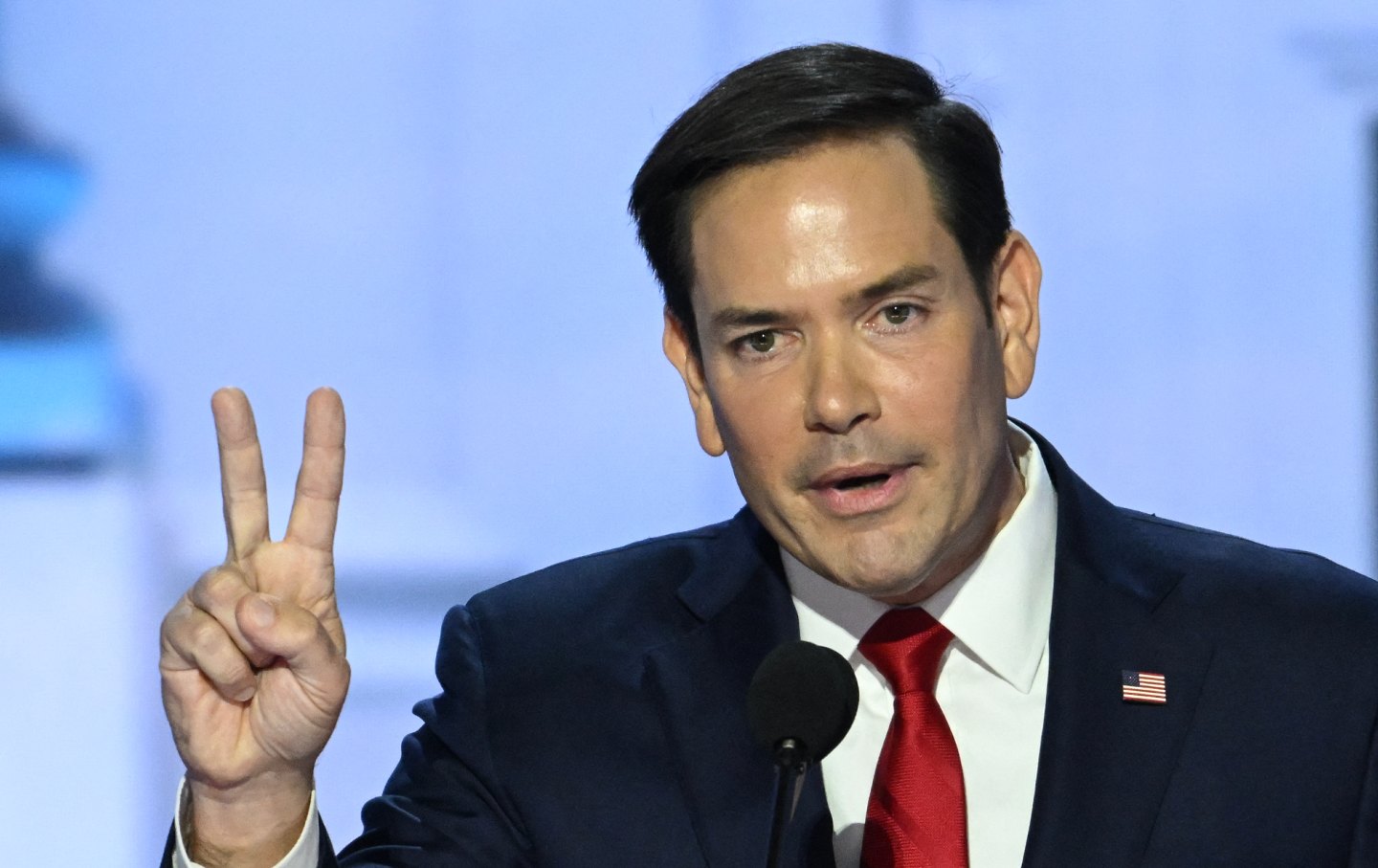
Marco Rubio speaks during the second day of the 2024 Republican National Convention at the Fiserv Forum in Milwaukee, Wisconsin, July 16, 2024.
(Andrew Caballero-Reynolds / AFP via Getty Images)President-elect Donald Trump is already filling up his cabinet with neoconservative warmongers, building a national security team that would have blanched at the “America first” posture of his presidential campaign. Trump asked Representative Mike Waltz, a retired Green Beret known for promoting the coldest of wars with China, to be his national security adviser. He also named Marco Rubio—another Florida Republican and one of the most trigger-happy options Trump could have picked—as his secretary of state.
And what do you know? The liberal establishment is thrilled.
The American foreign policy elite, and many mainstream Democrats, immediately lined up to hail Trump’s selection of Rubio, who holds hard-line views on Iran, China, Venezuela, and, in particular, Cuba. Pennsylvania Senator John Fetterman was the first Democrat to express his support for Rubio’s confirmation. “Unsurprisingly, the other team’s pick will have political differences than my own,” Fetterman said in a post on X. “That being said, my colleague @SenMarcoRubio is a strong choice and I look forward to voting for his confirmation.” According to NBC News, some Democrats in Congress admit that they are “pleasantly surprised” by the “caliber” of some of Trump’s picks, including Rubio.
One Democrat, New Jersey Senator Cory Booker, didn’t even try to contain his excitement. In an interview with NOTUS, Booker boasted about his friendship with Rubio. “First of all, Marco Rubio is my friend,” Booker said. “We’ve developed, over my 10 years here, a really good friendship. He is principled.”
“I’m just happy for him and his family,” he added. “We’re going to have hearings and I’m going to get a chance to talk to him. He has an understanding of foreign policy’s nuances and complexities.”
Arizona Senator Mark Kelly also praised his Republican colleague, saying Rubio’s “got a pretty good understanding of the threats we face.”
Liberal media elites were similarly jazzed. Jeffrey Goldberg, editor in chief of The Atlantic, resurfaced a 2015 interview he conducted with Rubio, noting that “you can see evidence of his consistently hardline approach to Iran.” The new Trump cabinet, he added, “could become a real nightmare for Tehran.”
Political scientist Ian Bremmer said Rubio and Waltz are “serious” and “credible on foreign policy,” adding that US allies around the world are “feeling more comfortable with both of these announcements.”
This euphoria may be nausea-inducing, but it shouldn’t be too surprising. After all, to most mainstream US foreign policy figures and thinkers, a “serious and credible” foreign policy is one that reflects a commitment to maintaining US military and economic dominance over the planet. By that metric, Rubio is a splendid choice. He has never met a war he didn’t love.
During his first Senate run in 2010, Rubio defended the invasion of Iraq, long after most people had identified it as a catastrophe. As a member of Congress, he led the failed US effort to overthrow Venezuela’s president, was a key Senate supporter of a “maximum pressure” Iran policy, and opposed withdrawing the United States from Syria and Afghanistan in 2019 when Trump was thinking about getting out. “Now people may say what’s wrong with this? Get out of Syria, Iraq, Afghanistan, why are we fighting other people’s wars?” he said in a floor speech. “We’re not. This is not other people’s wars. This is ours.”
Similarly, Waltz has a long record of wanting to escalate conflicts that Trump himself has professed a desire to pull out of, like Afghanistan and Ukraine. In Congress, Waltz cosponsored legislation to pre-authorize war with China over Taiwan, voted against ending US support for the Saudi-led war in Yemen, and voted in favor of keeping the 2002 Iraq authorization for the use of military force.
During his first term, Trump had a hostile approach to Iran and China, led sweeping sanctions campaigns, threatened nuclear war with North Korea, and much more. He was hard to pin down—making promises or somewhat vague plans on foreign policy issues, only to undermine himself or abruptly blow up the process.
This time around, Trump decided to ramp up the anti-war rhetoric on the campaign trail. While Kamala Harris spent the final weeks of the race campaigning with Liz Cheney, Trump was making the case that a Harris presidency would get us into World War III. Harris made the baffling decision to send campaign surrogates like Bill Clinton and Representative Ritchie Torres, a staunch zionist, to majority Arab-American precincts in Michigan. But Trump visited Dearborn in the last days of the race, declaring, “You’re going to have peace in the Middle East—but not with the clowns that you have running the U.S. right now.” He also promised to end the war in Ukraine and appeared skeptical of defending Taiwan from China.
Americans are more tired of war than ever before and desperate for some kind of opposition to the US’s bloodthirsty foreign policy—even if it comes in the form of these haphazard promises. Though Trump is not anti-war in any real ideological or moral terms, he has shown that he at least seems to understand the political downsides of protracted military engagements. Many of his most hawkish decisions were confined to quick actions, whether it was the brutal annihilation of the ISIS caliphate (and the civilians living there) or the assassination of top Iranian general Qassim Suleimani.
This is not the approach of the US foreign policy elite—which is why it’s so telling that Rubio’s selection in particular has been met with such praise. The Blob believes the United States needs a long-term military effort to try to contain China or potentially draw it into a conflict, even though these prolonged battles are politically unpopular. When liberal lawmakers like Booker or Fetterman are relieved about Rubio and Waltz’s joining the cabinet, it’s because they’re relieved that there will be someone in the room who will be holding firm to the US’s dedication to endless wars. When Rubio meets with outgoing Secretary of State Antony Blinken, Blinken—whose tenure has been as blood-soaked as anyone’s—will no doubt express the same gratitude.
Popular
“swipe left below to view more authors”Swipe →However, Trump’s decision to tap former representative Tulsi Gabbard as his director of national intelligence and Matt Gaetz as attorney general has the potential to create unpredictable dynamics if both are confirmed. Gabbard and Gaetz are controversial figures who have also been outspoken critics of US military intervention abroad, mass surveillance, and forever wars.
It’s not hard to imagine more concerted opposition to the Rubio wing coming from within Trump’s own cabinet, rather than from his ostensible political rivals. Democrats’ embrace of his national security team reveals how little daylight exists between the most hawkish Republicans and so-called national security liberals. The future of Trump’s foreign policy could be determined by who wins the fight for his favor: the heterodox anti-intervention forces in his administration, or Rubio and his cross-party allies within Congress, Washington, and the wider Blob.
More from The Nation
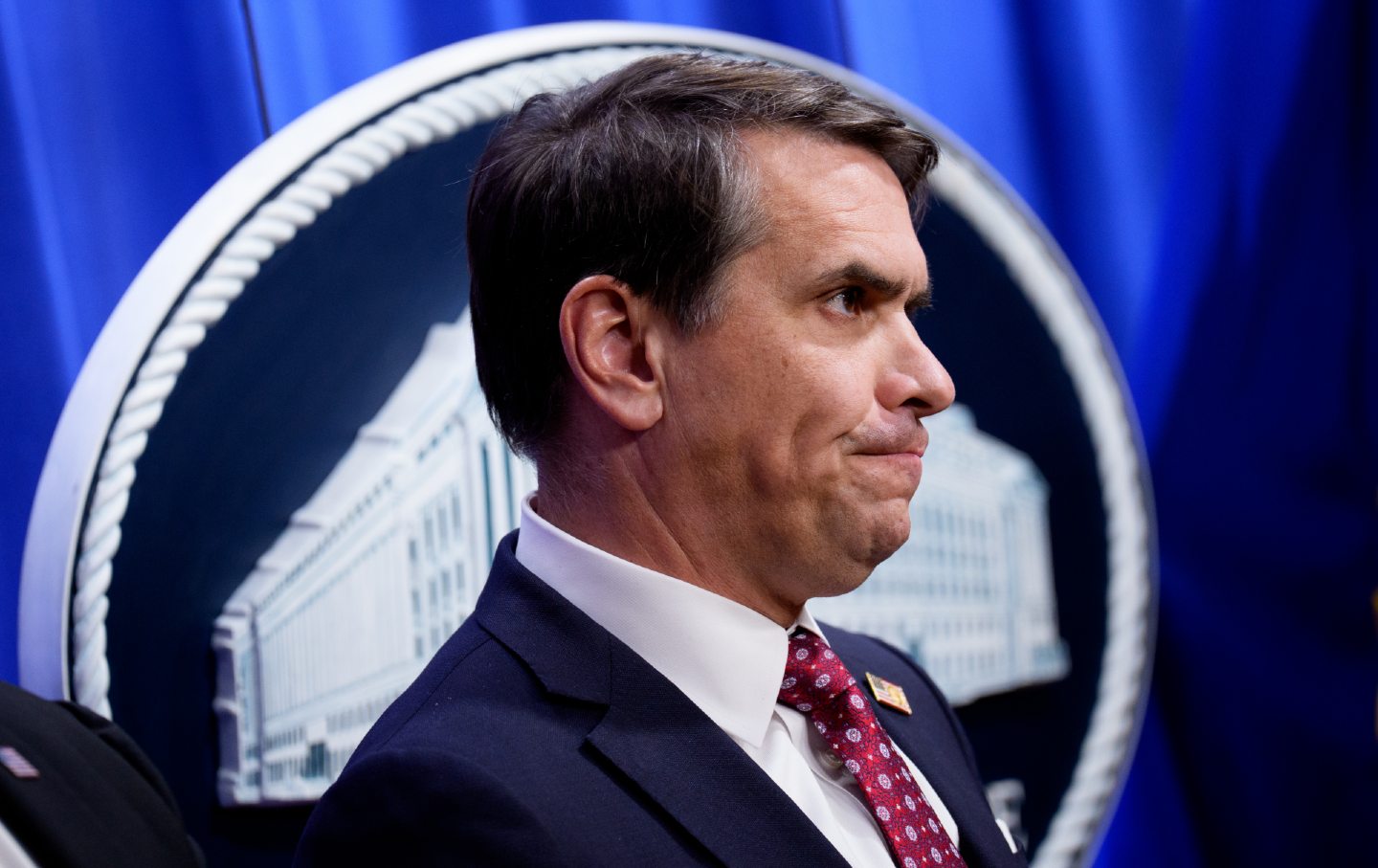
A Trump Administration Official Says It Won’t Investigate the Killing of Renee Good A Trump Administration Official Says It Won’t Investigate the Killing of Renee Good
Deputy Attorney General Todd Blanche makes clear that the Department of Justice won’t look into the death of Renee Good—but that won’t stop Minnesota from investigating.
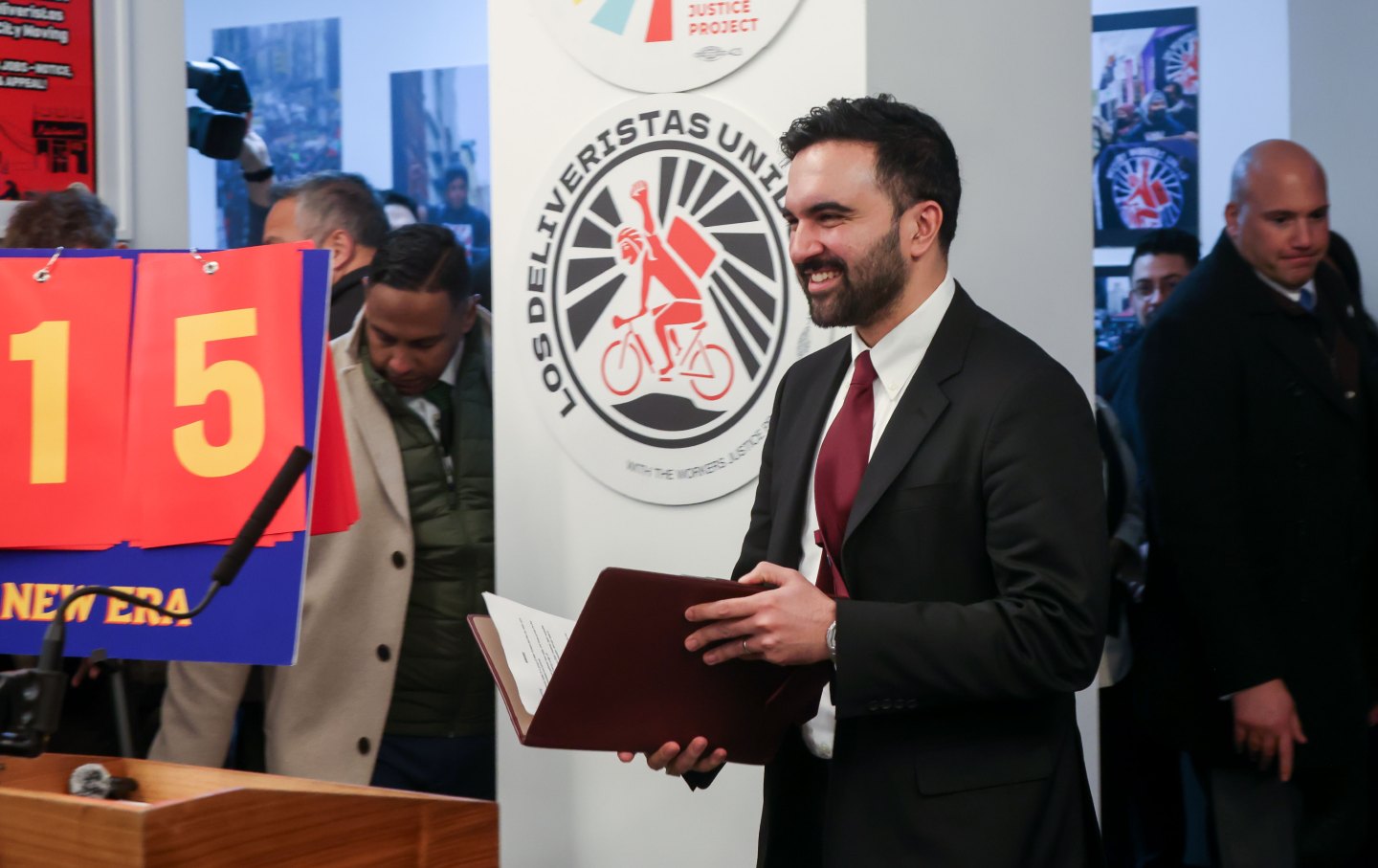
Zohran Mamdani Takes on the Gig Economy’s Wage Thieves Zohran Mamdani Takes on the Gig Economy’s Wage Thieves
New York City is suing a delivery app for stealing workers’ pay—signaling that under Mamdani, gig companies can no longer break the law with impunity.

Martin Luther King Jr.’s Dream: Love Against Racism Martin Luther King Jr.’s Dream: Love Against Racism
As Dr. King reminded us, “Hate cannot drive out hate; only love can do that.” His words continue to call us toward justice, compassion, and the power of love to confront racism.

How Taiwan Became the Chipmaker for the World How Taiwan Became the Chipmaker for the World
A new book tells the story of the island-nation’s transformation into a central hub for technological development and manufacturing.

A Civil Rights Veteran Revisits the Summer of 1965 A Civil Rights Veteran Revisits the Summer of 1965
The white college student supported Black voters in segregated Alabama, and began documenting the front lines of the voting rights fight, which locals continue to disregard.

The People vs. ICE The People vs. ICE
Across the country, neighbors are working together to protect one another from Trump’s immigration crackdowns.

