Donald Trump Is Shuttering a Little-Known Labor-Management Agency That Supports Collective Bargaining
The administration’s latest assault on independent agencies is also an attack on working people.
Donald Trump campaigned for the presidency promising to fight for working people. While the hypocrisy of this claim has been clear from day one of his presidency, the evidence continues to mount.
The latest case in point? Apparently not satisfied with trying to kneecap several independent federal agencies that regulate corporate America—the National Labor Relations Board, the Federal Trade Commission, the Equal Employment Opportunity Commission and more—through illegally firing Democratic members of these expert bodies, Trump is now trying to eliminate an important but little-known independent labor agency altogether. And so far he appears to be succeeding—to the detriment of companies, workers, and unions that depend on the agency’s services to reach agreements and resolve disputes.
The agency is the Federal Mediation and Conciliation Service (FMCS)—a tiny 200-person independent agency established by Congress to support and assist parties in the collective bargaining process. That’s right—Congress viewed collective bargaining and industrial peace as important enough to establish an entire federal agency to support this work and help resolve disputes.
FMCS’s roots go back to the anti-union 1947 Taft-Hartley Act that sought to weaken unions by prohibiting secondary boycotts and creating new unfair labor practice claims against unions, among other restrictions. Congress created FMCS to prevent and limit strikes and other labor disputes. It established FMCS as an independent federal agency, taking it out from under the US Department of Labor, where a similar agency—the US Conciliation Service—had operated for decades, but was considered by employers to be too pro labor.
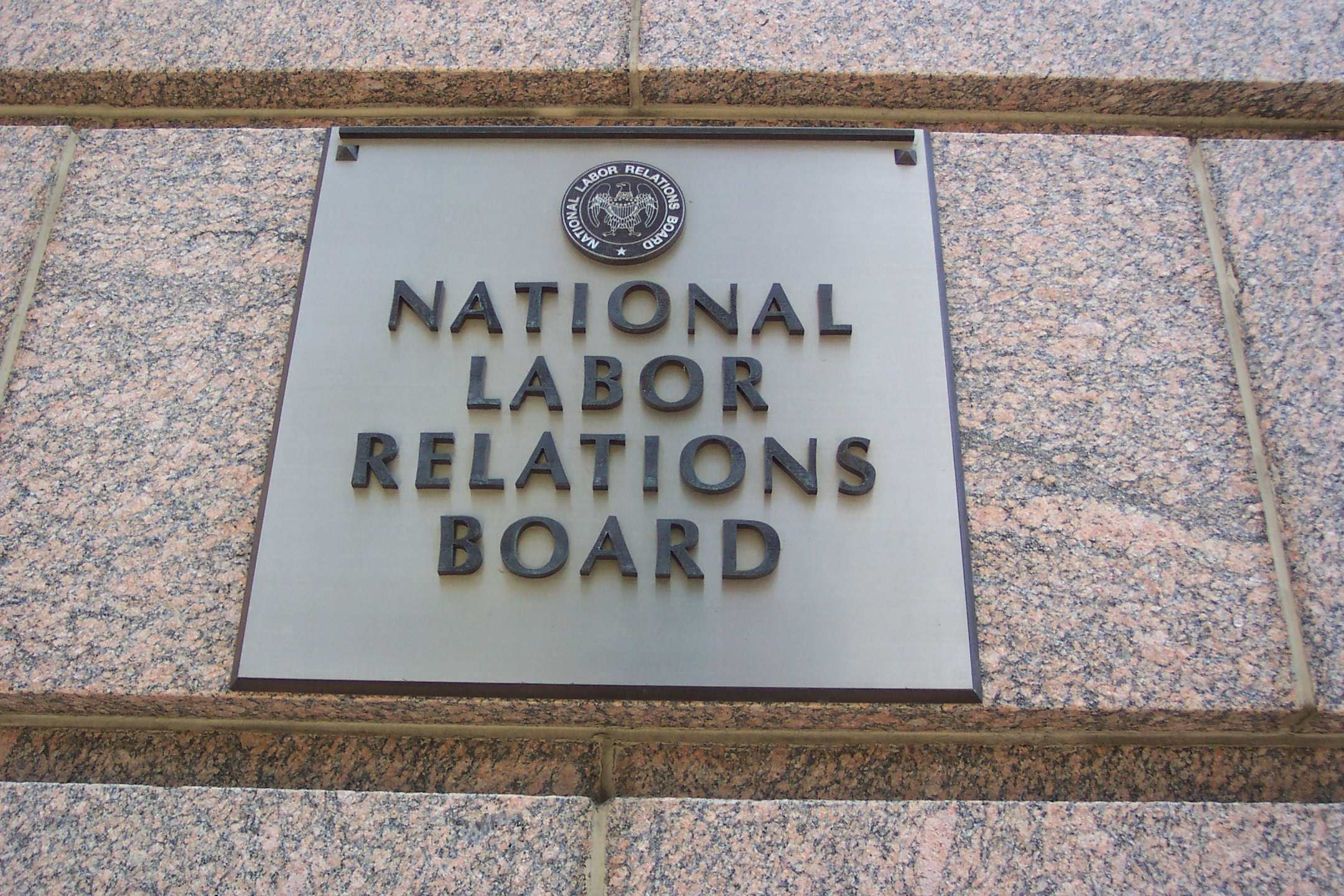
Notwithstanding these inauspicious roots, FMCS’s explicit purpose is to support the parties to the collective bargaining process and help them reach agreements, which it does in hundreds of private sector negotiations each year through the work of its expert mediators. The National Labor Relations Board (NLRB) also supports the collective bargaining process by running union representation elections and investigating and adjudicating unfair labor practice charges, but these administrative and adjudicative roles are completely different from FMCS’s role. The National Mediation Board (NMB) runs elections and mediates disputes in the airline and railroad industries.
FMCS is not a regulatory or enforcement agency—companies and unions voluntarily work with the agency, and mediators support and encourage the parties to reach agreement. In addition to these mediation services, FMCS trains companies and unions on collective bargaining, relationship building, and labor-management partnerships. All of these services are provided at no cost to the parties, because Congress has viewed supporting the collective bargaining process as worth a (tiny—$55 million) annual federal investment.
But now Donald Trump has targeted FMCS for elimination, with FMCS the first agency listed in a March 14, 2025, executive order titled “Continuing the Reduction of the Federal Bureaucracy.” FMCS and the other listed agencies are directed to eliminate “to the maximum extent” their “non-statutory components and functions,” and to “reduce the performance of their statutory functions and associated personnel to the minimum presence and function required by law.” FMCS has been placed in the position of having to justify its very existence and to explain how its work matches up to its congressional mandate. At the same time, the right-wing media echo chamber has resurfaced 12-year-old allegations of alleged malfeasance at FMCS in an attempt at excusing Trump’s shutdown of the agency—allegations that were long ago investigated and addressed.
As of this writing, Trump is getting his way. FMCS employees are reportedly being notified by management that the agency is essentially being shut down, and mediations are being cancelled.
What then is to become of the important work FMCS does to support the parties to the collective bargaining process in reaching agreements and resolving disputes? Perhaps the Trump Administration plans to shift the work to the US Department of Labor, which has no expertise in this area, and from which Congress moved the mediation work in 1947 at the behest of employers to create an impartial, independent agency. Or maybe the administration plans to eliminate these services altogether and leave companies and unions to fend for themselves, to the detriment of employers (particularly small employers) and unions that depend on and benefit from FMCS’s work.
In any case, we can add the destruction of this agency—established by Congress to support collective bargaining—to the long and growing list of anti-worker actions by a president who told America that he would be pro-worker.