AOC Was Right: Better Sunscreen Is Praxis
AOC’s call for more effective sunscreen was met with derision—but it’s a vital form of healthcare, especially for some of our most marginalized people.
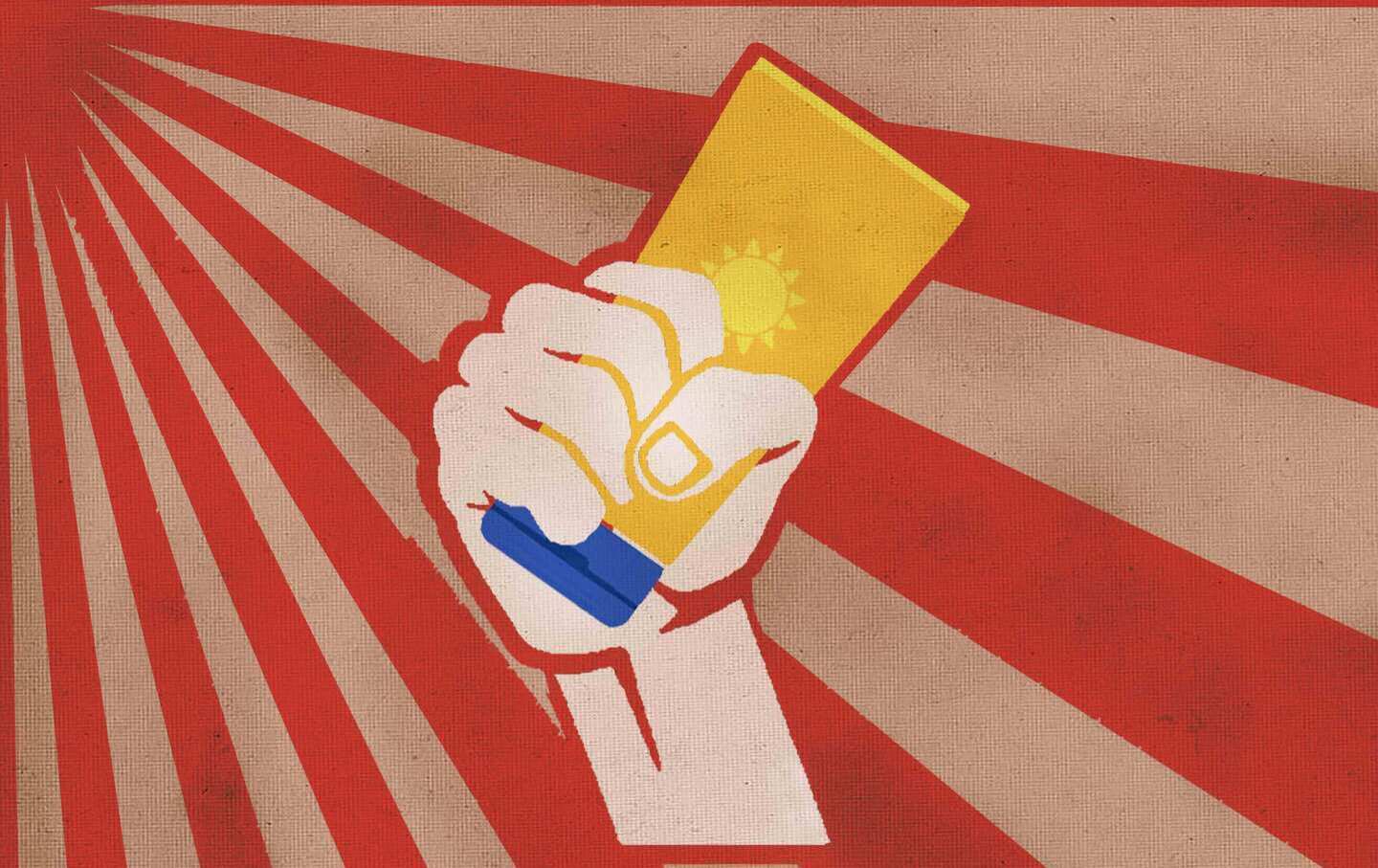
Last month, leftist Twitter found itself plunged into conflict over, of all things, sunscreen.
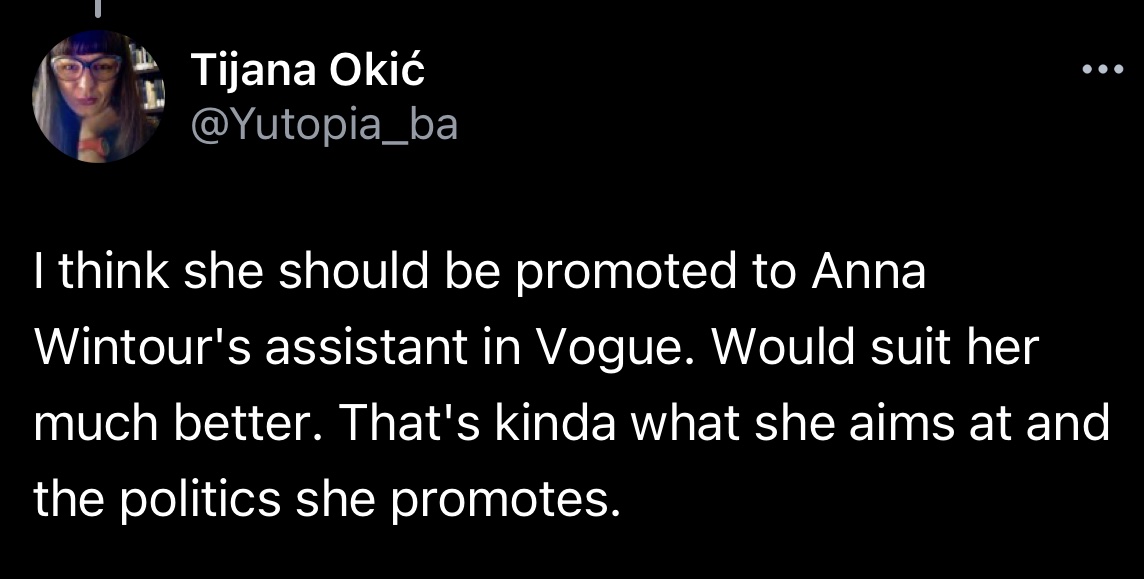
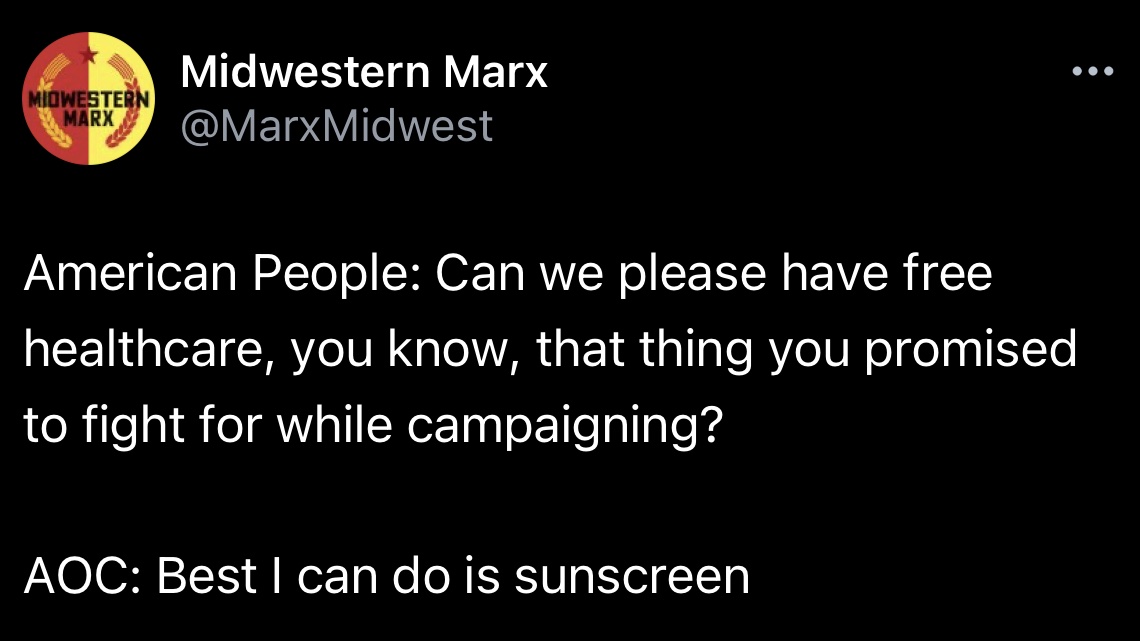
The trigger was a video from Representative Alexandria Ocasio Cortez and skincare brand founder Charlotte Palermino advocating for more effective sunscreen in the US. This seemingly uncontroversial post kicked off an extensive Twitter storm. Some leftists suggested that Ocasio-Cortez would be better suited working for Anna Wintour than the government, while others argued that her time would be better served advocating for actual healthcare initiatives.
In a now-deleted tweet thread, the Rhode Island chapter of the Democratic Socialists of America (DSA) even accused the congresswoman of being a class traitor, calling her analysis “not socialist, but soccer-mom consumerism, complete with her ‘brand owner’ partner.” (The chapter later told The Guardian that its executive committee had decided to delete the posts, adding, “Our chapter has no official position on the sunscreen issue.”)
The problem with this stance—beyond its obviously gendered overtones—is that, far from a frivolous luxury item for the skincare-obsessed beauty gurus of Instagram, sunscreen is actually a crucial form of healthcare, so much so that sunscreens are eligible for reimbursement with FSA and HSA accounts. What’s more, the issue of who has access to sunscreen, and how well that sunscreen works, is one with clear racial and socioeconomic implications—particularly since climate change is increasing how much we’re all exposed to the sun, and thus increasing the risk of skin cancer. Put simply, access to good sunscreen is political.
Sunscreen is the best defense for anyone looking to avoid the high costs of a cancer diagnosis. Dermatologists recommend that everyone (excluding infants who have sensitive skin and should generally have limited sun exposure) use sunscreen to protect themselves from cancer-causing UV rays.
That’s especially important for low-income Americans, who are more exposed to the inequities of US healthcare, and for people who regularly work in the sun, like the farm workers who are the backbone of the agricultural industry.
Because UV exposure is strongly linked to most melanoma cases, the chance of developing melanoma increases with every sunburn and doubles after more than 5 sunburns. The threat of the sun damaging the skin to the point of causing a skin disease like a deadly melanoma is elevated for people who spend much of their time in the sun. According to Dr. Maral Kibarian Skelsey, a dermatologist and clinical assistant professor at Georgetown University Medical Center, “The biggest risk factor for skin cancer is unprotected exposure to UV rays, so anyone who spends a lot of time working in the sun needs to be extra-vigilant.” Anecdotally, Dr. Skelsey said she has observed extensive sun damage in patients who work sun-exposing jobs like construction, landscaping, and farming.
With the country quite a ways off from what many would consider affordable healthcare in the US, high exposure to UV rays from the sun can quickly turn into a steep medical bill. While skin cancer prevention can be relatively cost-effective as most American sunscreens can be found at drugstores and are priced well under $40 per package, getting cancer has the potential to financially ruin the nearly 50% of Americans who are underinsured. The price of biopsies, surgery, laser treatments, radiation therapy, prescriptions, or a combination of these treatments can cost thousands of dollars depending on the stage of the cancer. Given the high costs associated with treating skin diseases like melanoma, experts recommend that public health strategies include efforts (like, say, a congresswoman advocating for better sunscreens to her millions of online followers) to reduce ultraviolet light exposure.
There are many sunscreen options to choose from in the US that are just fine when it comes to blocking UVBs, but no one wants a merely okay product on their face when they could have the best one. US sunscreens simply don’t measure up when compared to the products moving through European and Asian countries. Korean sunscreens are known for their lightweight textures that also boast other helpful skin-protecting ingredients like hyaluronic acid, green tea, and aloe. Many American products cannot say the same— and no, mixing your SPF with moisturizer is not a safe or effective alternative. Because sunscreen works like a shield atop the skin to block or absorb UV rays before they can penetrate the skin barrier, mixing it with other products could dilute the protection or cancel it out altogether.
Korean sun lotions are also known to be superior when it comes to blending into the skin. Not only are they less likely to have a greasy texture, but their wearers often aren’t subjected to the same ghostly white cast that American products are known for. Innovations like this are important for people of color, who are overrepresented in some sun-heavy jobs. For instance, Latinos make up 78% of US agricultural workers, a group that studies have shown can be more exposed to dangerous UV rays than all other outdoor workers. Agricultural workers’ occupational epidermis risks are further complicated by exposure to arsenic pesticides, which have been linked to multiple skin diseases.
Farmworker Justice Director of Programs Rebecca Young—who said she didn’t see the video or the resulting backlash—told The Nation that she was surprised to hear that people online were framing a conversation about sunscreen policy as an unimportant beauty issue. “That’s something that helps to perpetuate the myths that we see,” she said, referring to the nonprofit’s efforts to educate farmworkers and the public on skin safety as a worker justice issue.
Young has observed in her work that it can be hard for someone who has a regular job working regular hours to understand what issues are important to agricultural workers. While many Americans can afford to follow guidelines for skin protection like staying out of the sun during peak hours, farmworkers have to work through the hardest part of the day, unable to seek shade except for when they have short and infrequent breaks. For her and many of her colleagues advocating for better working conditions for farmworkers, “It’s not a beauty issue. It’s not about looking good, it’s about the protection that sunscreen offers.”
Multiple attempts at updating the US’s approval process for sunscreen ingredients have been made, including the FDA’s 2019 proposal to revise sunscreen active ingredients requirements. However, this measure essentially kept “the status quo.” Congress passed the Sunscreen Innovation Act (SIA) to solve our drawn-out skincare approval process almost a decade ago. Yet, non-American sun lotions are still doing laps around ours as the FDA insists it needs more data, and subsequently time, to confirm the safety and efficacy of additional ingredients. A new sunscreen ingredient hasn’t been approved by the FDA since the 1990s, and many of the ingredients that have been approved aren’t as effective in blocking UVA rays. This is due to the FDA’s requirements being more relaxed than Europe’s rules. A 2017 study found that of the tested sunscreens, almost half of the ones the FDA considered to be broad-spectrum— or protective against UVA and UVB rays—did not pass the European Union’s standards.
Popular
“swipe left below to view more authors”Swipe →The FDA regulates all sunscreens sold in the US as a drug because, in its words, “it makes a drug claim — to help prevent sunburn or to decrease the risks of skin cancer and early skin aging caused by the sun.” Yet despite the healthcare implications, AOC may be right that it’s time to rethink how the US regulates and approves ingredients for skincare use. South Korea’s FDA equivalent, The Ministry of Food and Drug Safety (MFDS), is achieving an extensive and efficient approval process that’s resulting in a better product. There’s no good reason why Americans who can’t avoid the sun must contend with the US’s poor handle on this issue while people abroad benefit from a more streamlined process.
While the FDA drags on in its multi-year attempt to properly regulate skincare products, people will have to go through a more timely and labored process to access the best sunscreens. If you live in a city with a thriving Asian community, you can probably hunt down a store with plenty of overseas sun prevention products. Everyone without access to these stores will have to find sunscreen from sellers on the internet or take their chances with the possibly reformulated versions of international skincare found in American drugstores.
Still, relying on American sunscreen is not an immediate pathway to skin cancer. Dr. Skelsey says the most important thing is choosing a sunscreen that you can comfortably and consistently incorporate into your daily habits. This includes applying two tablespoons (about enough to fill a shot glass) of sunscreen to the entire body, and a nickel-sized dollop to the face alone, “even in winter and on cloudy days.” Everyone also has the option of wearing sun protective clothing, hats, sunglasses, and tinting our car windows while we wait for American skin cancer prevention to catch up. In the meantime, we should all remember this essential truth: advocating for better sunscreen is praxis, no matter what anyone on Twitter has to say about it.
More from The Nation

A Civil Rights Veteran Revisits the Summer of 1965 A Civil Rights Veteran Revisits the Summer of 1965
The white college student supported Black voters in segregated Alabama, and began documenting the front lines of the voting rights fight, which locals continue to disregard.

Notes on Transsexual Surgery Notes on Transsexual Surgery
An abundance of plastic surgery is not a net good. But discussions over its morality would be better off viewing it less as unfettered desire and more as self-determination.
I Led the FDNY. Don’t Believe Elon Musk’s Nonsense About It. I Led the FDNY. Don’t Believe Elon Musk’s Nonsense About It.
Musk’s attack on the new FDNY commissioner proves he knows nothing about how modern fire departments work.
What Black Youth Need to Feel Safe What Black Youth Need to Feel Safe
Young people are facing a mental health crisis. This group of Cincinnati teens thinks they know how to solve it.
Trump’s Death Eaters Are Coming for Our Kids Trump’s Death Eaters Are Coming for Our Kids
After taking countless lives around the world, RFK Jr. and his ghoulish compatriots want American children to suffer too.
The Supreme Court Just Held an Anti-Trans Hatefest The Supreme Court Just Held an Anti-Trans Hatefest
The court’s hearing on state bans on trans athletes in women’s sports was not a serious legal exercise. It was bigotry masquerading as law.