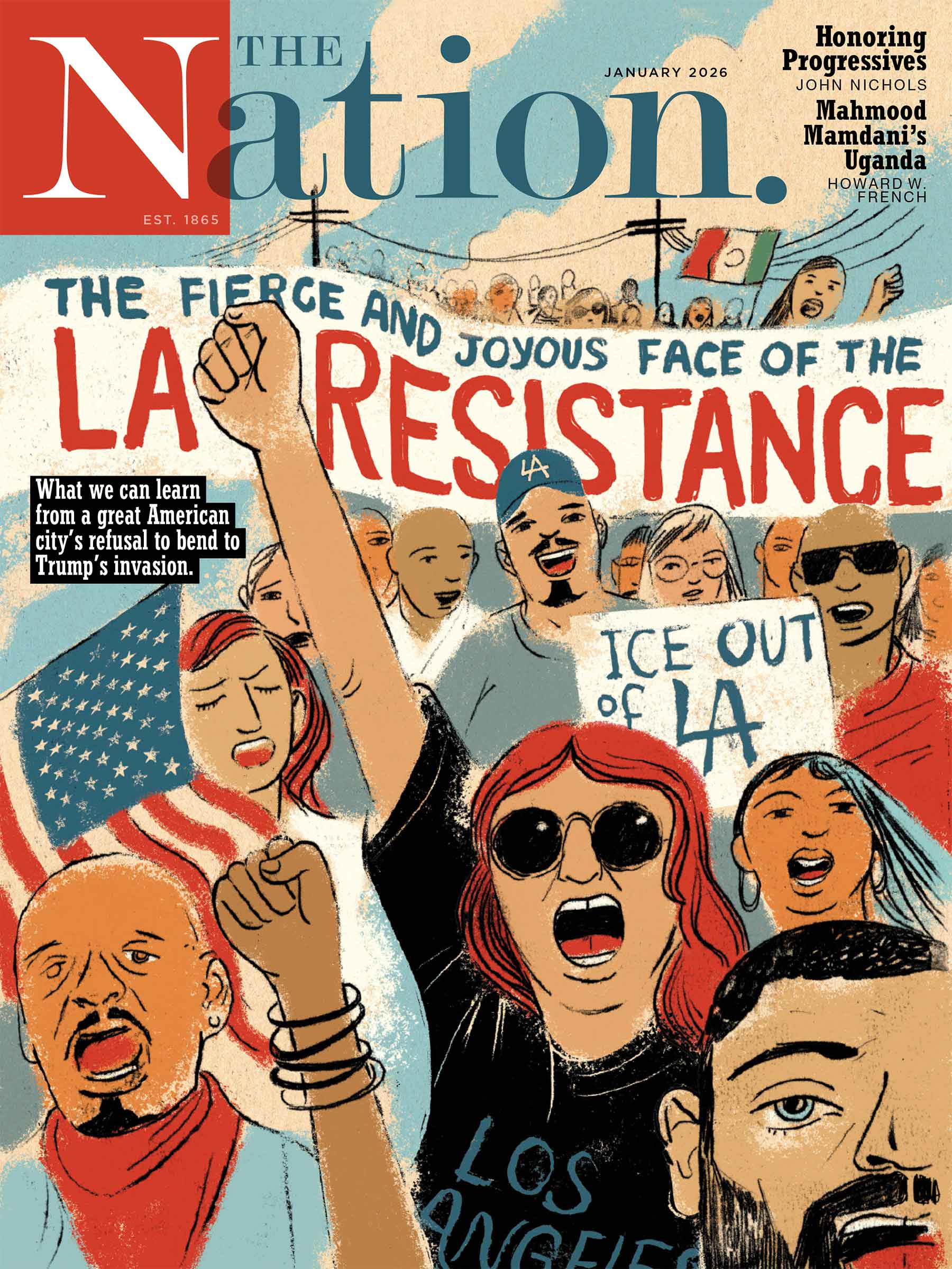
The Supreme Court Prepares to Take Its First Shot at Contraception
A case just added to the high court’s docket takes on the question of whether Medicaid can be used to pay for services at medical providers that also perform abortions.

The exterior of a Planned Parenthood Reproductive Health Services Center in St Louis, Missouri
(Michael Thomas / Getty Images)
Last week, the Supreme Court added two additional cases to this term’s docket. You’ve probably already heard about the first one: The court plans to give TikTok one last opportunity to save itself, and will hear the company’s case in an expedited fashion, on January 10. The court can move incredibly quickly when money is at stake.
With all due respect to TikTok—increasingly the news platform of choice for America’s youth—the second case is more important. This case, Kerr v. Planned Parenthood, examines whether Medicaid funds can be used to pay for services at Planned Parenthood. If the court says “no,” it will limit access to contraception and gynecological care to millions and millions of impoverished Americans.
This case is not about abortion. Readers familiar with the dystopian state of reproductive rights in this country know that the government already forbids Medicaid from being used to fund abortion. We have the Hyde Amendment to thank for that, as well as various state laws that replicate that amendment’s damage.
But Planned Parenthood is more than an abortion clinic. The organization provides a plethora of medical services to women and girls, including gynecological care, cancer screenings, and, critically, various forms of contraception.
In 2018, South Carolina Governor Henry McMaster prohibited Medicaid funds from being used to pay for anything at Planned Parenthood clinics in his state. He said that “payment of taxpayer funds to abortion clinics, for any purpose, results in the subsidy of abortion and the denial of the right to life.” I will note that McMaster’s argument seems to forget that women in need of medical care have a “right to live” as well.
McMaster’s rule could be read incredibly broadly. Many poor women in many states get their contraception from clinics that also perform abortions, or from organizations that support abortions in the states where those are still legal. If Medicaid dollars cannot be used in any of these clinics, access to contraception could be severely limited in states that follow South Carolina’s lead.
Planned Parenthood sued, and won in state court, arguing that McMaster’s rule violated the Medicaid Act. The act allows the federal government, not the states, to determine how Medicaid funds can be used, and Congress has not banned the use of these funds at Planned Parenthood clinics. Now, the question of whether private entities, like the plaintiffs in this case, have a right to sue to force a state to enforce the Medicaid Act, is at the heart of South Carolina’s appeal to the Supreme Court.
I cannot emphasize enough how much is at stake with this case. Let’s say Congress passes a law directing money to be used in a certain way. Then let’s say a state decides to ignore the law and prevent the money from being used as directed. Who has the right to sue the state over its noncompliance? If South Carolina prevails, the answer might be “only Congress can sue to force a state to enforce the law.” If that’s the case, what do we do in a situation where Congress (because of which party dominates, a desire for culture war, or general incompetence) doesn’t sue? It could result in states’ being able to pick and choose which federal mandates are “real” and which ones can be safely ignored.
A recent Supreme Court case previewed how the court could—or should—think about Kerr v. Planned Parenthood. In 2022, the court decided Health and Hospital Corporation of Marion County v. Talevski. That case asked whether private individuals could sue the state of Indiana for its noncompliance with the Federal Nursing Home Reform Act. The court said “yes,” 7-2, with Ketanji Brown Jackson writing the majority opinion for the court and only Clarence Thomas and Sam Alito dissenting. Amy Coney Barrett wrote a concurring opinion in the case.
But that case didn’t involve an issue that Barrett thinks makes Jesus angry. With this one, we just don’t know if the Republican justices will rule that South Carolina has to follow the Medicaid Act, even if that means letting poor women have birth control.
We’ll soon find out. The arguments for this case haven’t been scheduled yet, but we can expect them in March or April with a decision to follow in June.
If I had to guess, I’d imagine the same 7-2 majority from Talevski holding together and ordering South Carolina to enforce the Medicaid Act. But this time, Barrett will write the majority opinion. In that opinion, she will tell the Republican Congress exactly what they have to do to amend the Medicaid Act in a way to allow the states to prevent women from using it to access contraception.
The fight to restore abortion rights has been lost—for the moment. The fight to protect contraception rights is already underway. This is what a majority of white women voted for.
Disobey authoritarians, support The Nation
Over the past year you’ve read Nation writers like Elie Mystal, Kaveh Akbar, John Nichols, Joan Walsh, Bryce Covert, Dave Zirin, Jeet Heer, Michael T. Klare, Katha Pollitt, Amy Littlefield, Gregg Gonsalves, and Sasha Abramsky take on the Trump family’s corruption, set the record straight about Robert F. Kennedy Jr.’s catastrophic Make America Healthy Again movement, survey the fallout and human cost of the DOGE wrecking ball, anticipate the Supreme Court’s dangerous antidemocratic rulings, and amplify successful tactics of resistance on the streets and in Congress.
We publish these stories because when members of our communities are being abducted, household debt is climbing, and AI data centers are causing water and electricity shortages, we have a duty as journalists to do all we can to inform the public.
In 2026, our aim is to do more than ever before—but we need your support to make that happen.
Through December 31, a generous donor will match all donations up to $75,000. That means that your contribution will be doubled, dollar for dollar. If we hit the full match, we’ll be starting 2026 with $150,000 to invest in the stories that impact real people’s lives—the kinds of stories that billionaire-owned, corporate-backed outlets aren’t covering.
With your support, our team will publish major stories that the president and his allies won’t want you to read. We’ll cover the emerging military-tech industrial complex and matters of war, peace, and surveillance, as well as the affordability crisis, hunger, housing, healthcare, the environment, attacks on reproductive rights, and much more. At the same time, we’ll imagine alternatives to Trumpian rule and uplift efforts to create a better world, here and now.
While your gift has twice the impact, I’m asking you to support The Nation with a donation today. You’ll empower the journalists, editors, and fact-checkers best equipped to hold this authoritarian administration to account.
I hope you won’t miss this moment—donate to The Nation today.
Onward,
Katrina vanden Heuvel
Editor and publisher, The Nation
More from The Nation
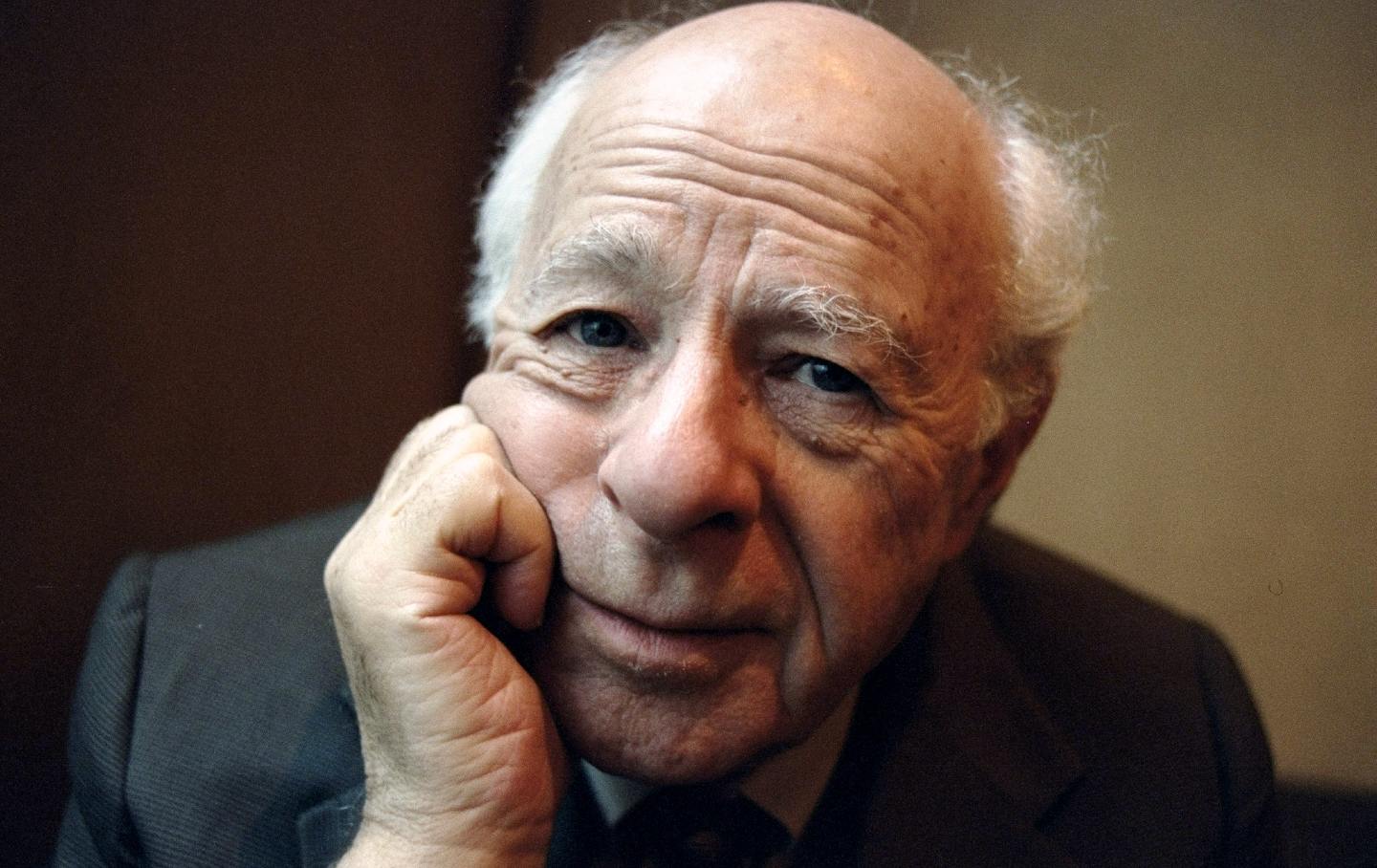
The Longest Journey Is Over The Longest Journey Is Over
With the death of Norman Podhoretz at 95, the transition from New York’s intellectual golden age to the age of grievance and provocation is complete.

Breaking the LAPD’s Choke Hold Breaking the LAPD’s Choke Hold
How the late-20th-century battles over race and policing in Los Angeles foreshadowed the Trump era.
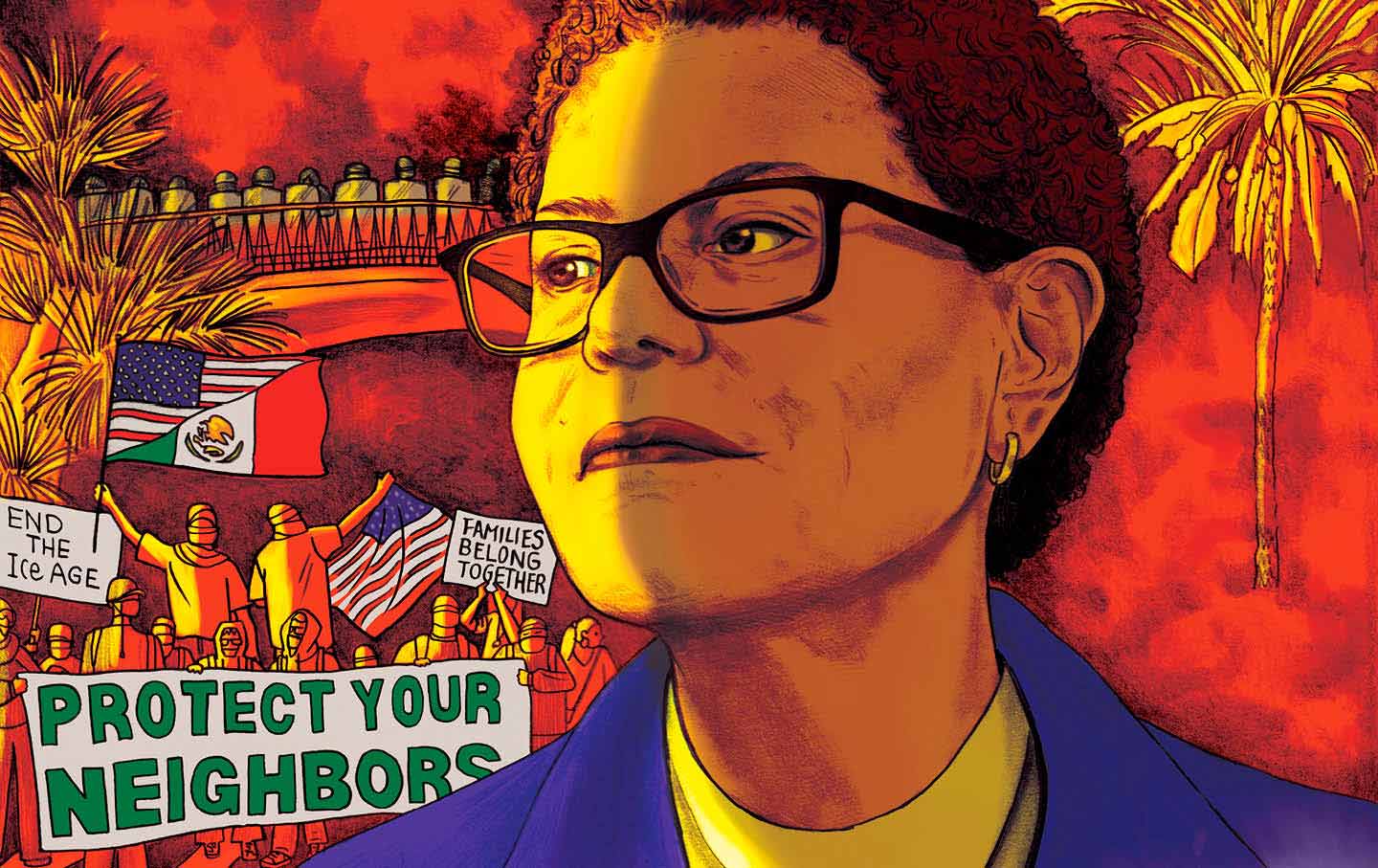
Mayor of LA to America: “Beware!” Mayor of LA to America: “Beware!”
Trump has made Los Angeles a testing ground for military intervention on our streets. Mayor Karen Bass says her city has become an example for how to fight back.
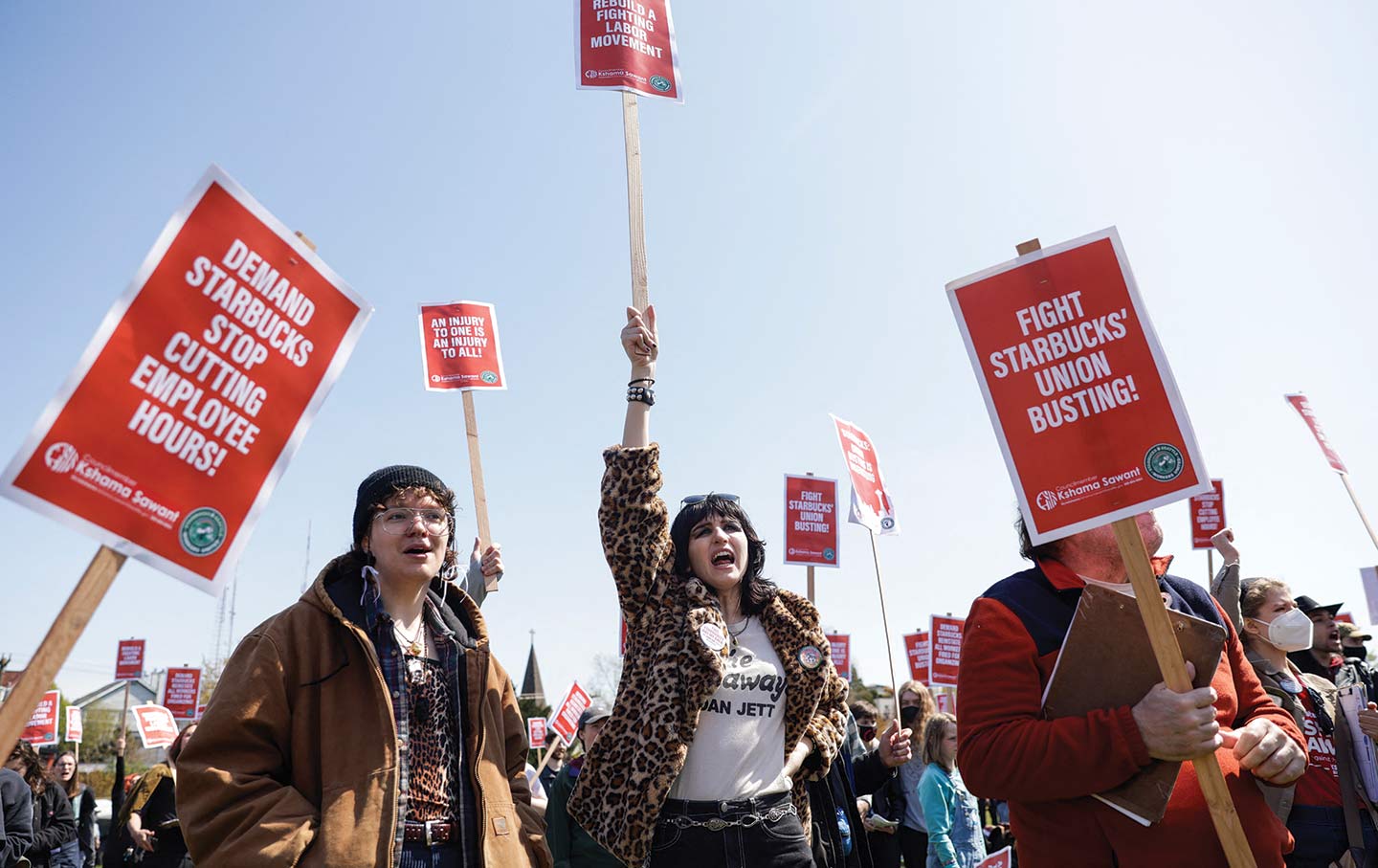
Organized Labor at a Crossroads Organized Labor at a Crossroads
How can unions adapt to a new landscape of work?
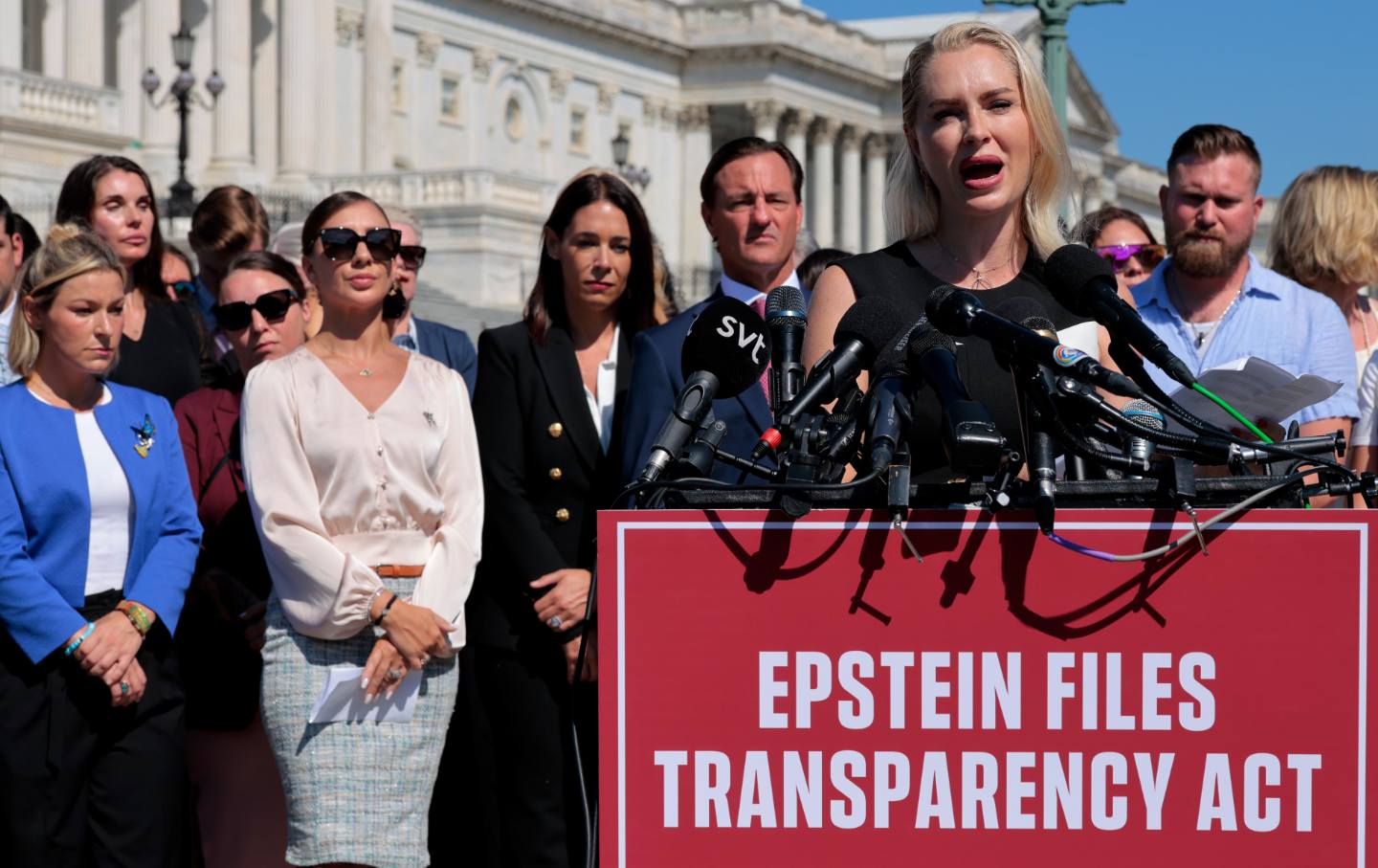
The Epstein Survivors Are Demanding Accountability Now The Epstein Survivors Are Demanding Accountability Now
The passage of the Epstein Files Transparency Act is a big step—but its champions are keeping the pressure on.

The Fight to Keep New Orleans From Becoming “Everywhere Else” The Fight to Keep New Orleans From Becoming “Everywhere Else”
Twenty years after Katrina, the cultural workers who kept New Orleans alive are demanding not to be pushed aside.

