Trump’s Immigration Façade
On this episode of The Nation Podcast, Ray Suarez says that Trump’s bark masks a more cynical, and contradictory, bite.

The Nation Podcasts
Here's where to find podcasts from The Nation. Political talk without the boring parts, featuring the writers, activists and artists who shape the news, from a progressive perspective.
A Year in Reading | Reading Writers
In this host-only bonus episode, Charlotte and Jo discuss some of their most memorable reads of 2025. Authors discussed include Shon Faye, Sarah Schulman, Ai Yazawa, Marjane Satrapi, Ariana Reines, Kyung-Ran Jo, and more.
Please consider supporting us on Patreon, where you can access additional materials and send us your guest (and book!) coverage requests. Questions and kind comments can be directed to readingwriterspod at gmail dot com.
Charlotte Shane’s most recent book is An Honest Woman. Her essay newsletter, Meant For You, can be subscribed to or read online for free. Her social media handle is @charoshane.
Jo Livingstone is a writer who teaches at Pratt Institute.
Advertising Inquiries: https://redcircle.com/brands
Privacy & Opt-Out: https://redcircle.com/privacy
Search Results placeholder
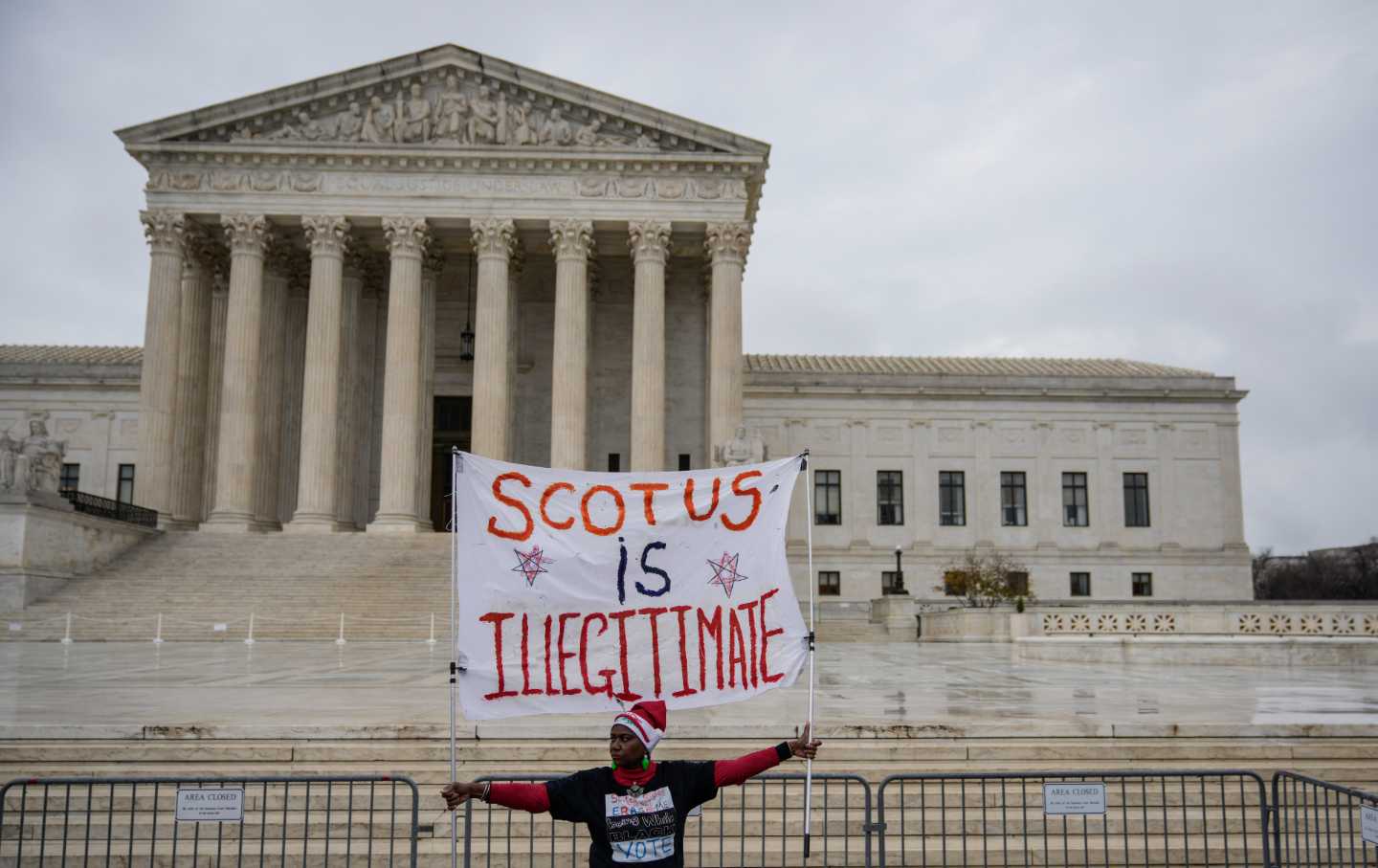
Protesters are arrested and put into a police van after refusing to leave the intersection while walking through the streets to demonstrate against U.S. President Donald Trump’s first 100 days in office on April 30, 2025 in Washington, DC. Multiple groups throughout D.C. blocked off intersections around the Capitol during morning rush hour traffic while chanting, “No Trump, no deportation, no more fascist occupation.”
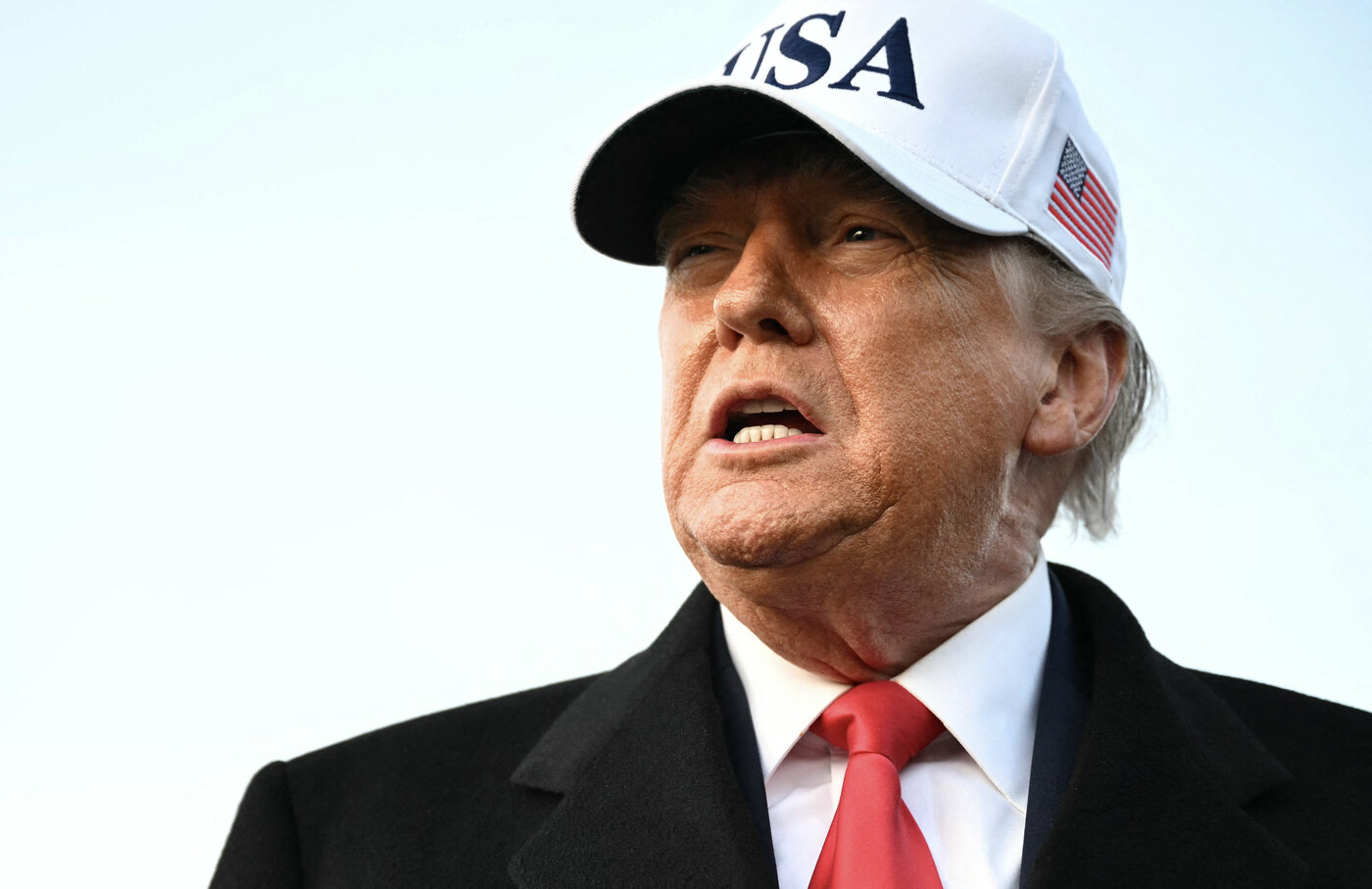
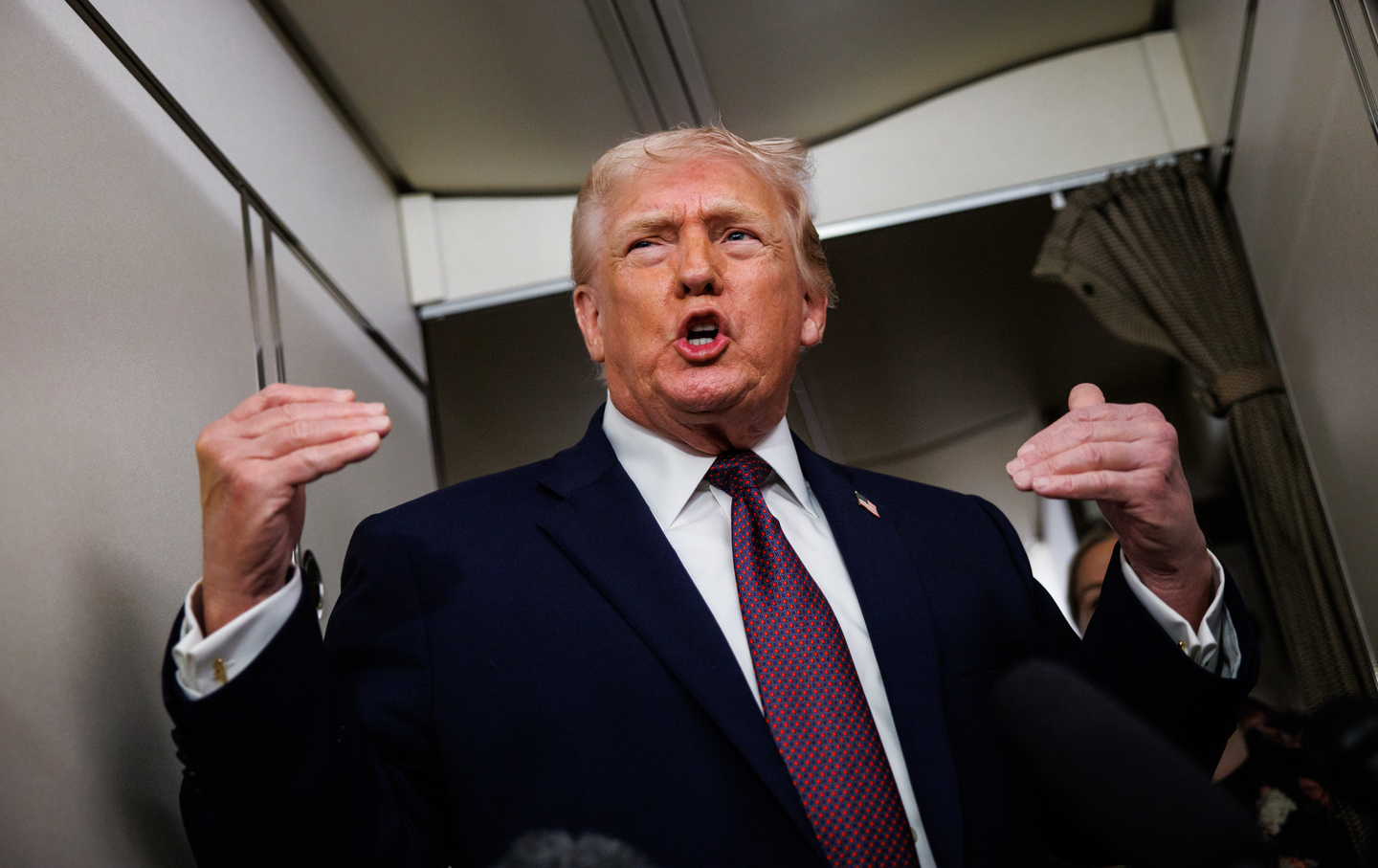
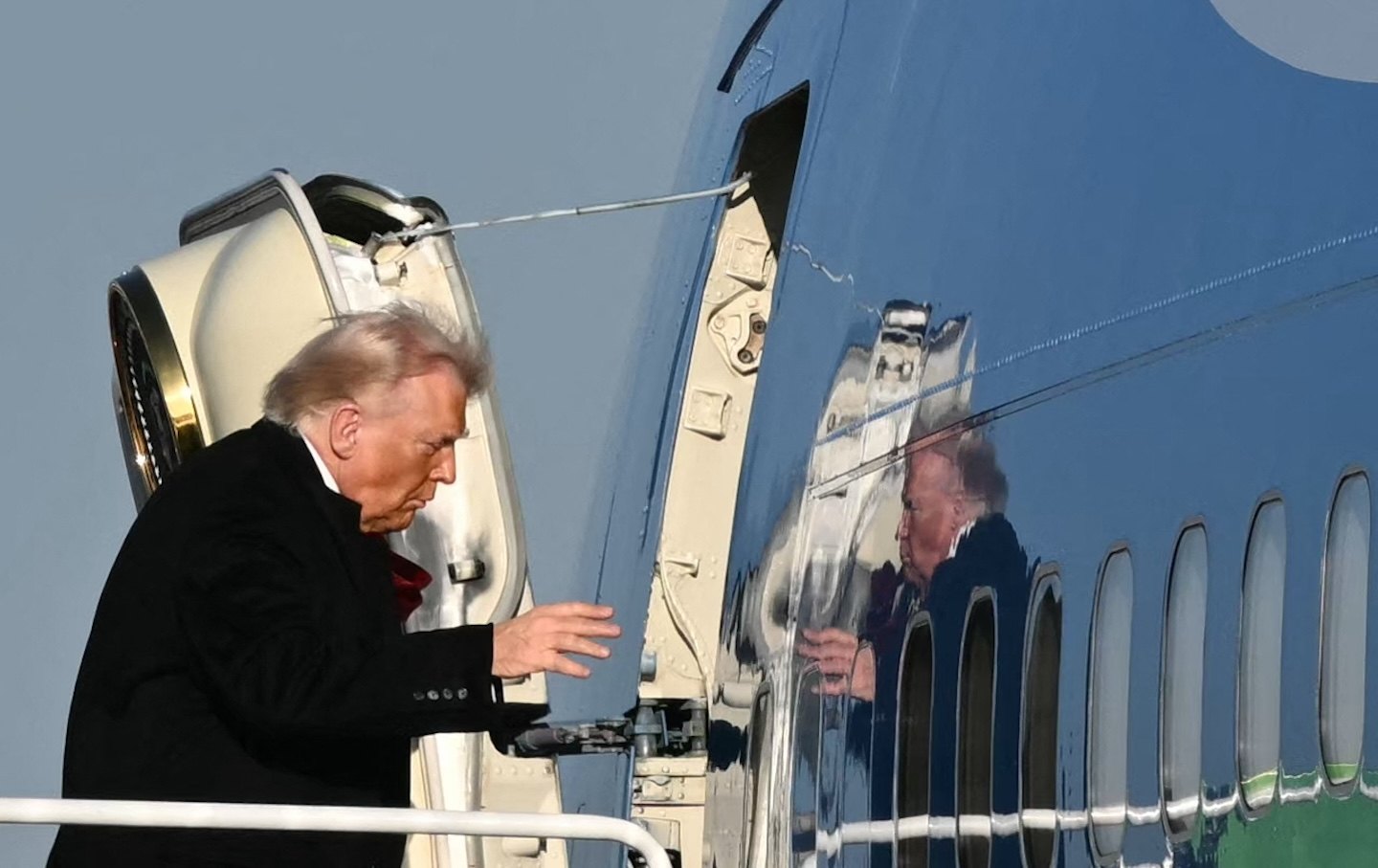
(Kayla Bartkowski / Getty Images)On this episode of The Nation Podcast, editor D.D. Guttenplan talks to veteran journalist and broadcaster Ray Suarez about the gap between Donald Trump’s maximalist immigration rhetoric and his actual enforcement policy. Ray’s article appears in our June issue.
Subscribe to The Nation to support all of our podcasts: thenation.com/podcastsubscribe.
The Nation Podcasts
Here's where to find podcasts from The Nation. Political talk without the boring parts, featuring the writers, activists and artists who shape the news, from a progressive perspective.
The Transformation of the New York Waterfront w/ Karrie Jacobs | The Nation Podcast
In its heyday, the Bush Terminal industrial complex spanned several city blocks along Brooklyn’s waterfront and employed more than 35,000 people. Built by Irving Bush in the late nineteenth century, it was an "early intermodal shipping hub." Goods arrived by water and left by rail. Bananas, coffee, and cotton came in through doors on one side of the warehouses and were loaded onto trains on the other.
But after World War II, as trucks replaced rail and shipping patterns changed, the Terminal’s purpose faded and the vast complex slipped into disuse.
Today, Bush Terminal is again at the center of New York’s vision for urban reinvention— and a debate around development, displacement, and the future of work in the city.
Joining us on a deep dive into Bush Terminal is veteran architecture critic and writer Karrie Jacobs. Her essay, “On the Waterfront,” appears in our December issue of the Nation.
Advertising Inquiries: https://redcircle.com/brands
Privacy & Opt-Out: https://redcircle.com/privacy
Search Results placeholder